Best Caulk for Showers: How to Choose the Right One
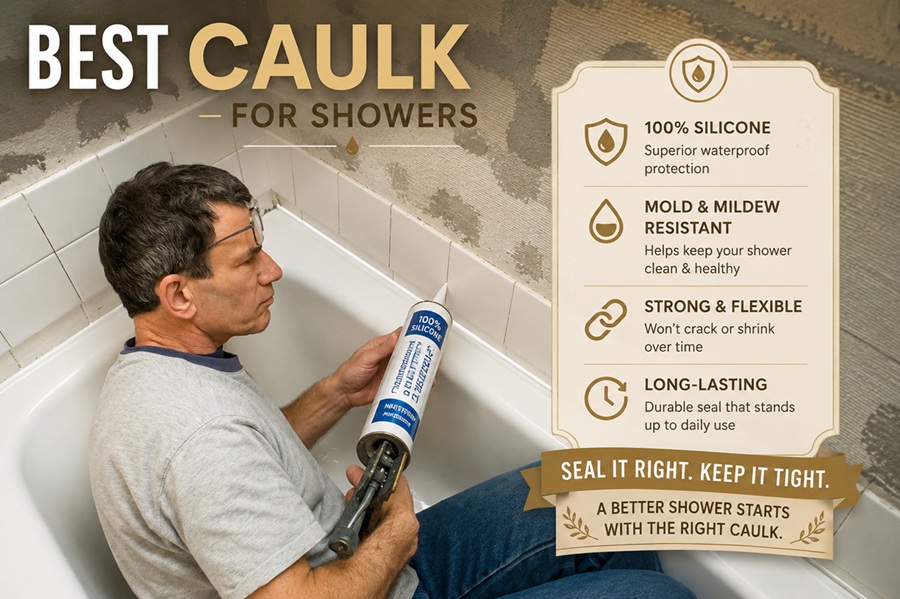
The best caulk for showers is a waterproof, mold- and mildew-resistant caulk designed for wet areas, with silicone caulk generally considered the top choice because it is highly water-resistant, flexible, and durable, and many are formulated specifically for kitchens and bathrooms. The reason this matters is that a shower is constantly exposed to water and humidity, so the caulk sealing its joints must fully repel water and resist the mold and mildew that thrive in damp bathrooms, which ordinary caulk cannot do well. Whether you choose pure silicone or a quality siliconized product labeled for bathrooms and mold resistance, the key is picking a caulk built for wet environments, then applying it cleanly for a lasting, watertight seal.
Caulk plays a crucial role in a shower, sealing the joints between tiles, tubs, walls, and fixtures to keep water from seeping behind them and causing damage, mold, and rot. Choosing the wrong caulk, or applying it poorly, leads to leaks and grimy, peeling seams. This guide explains what makes the best shower caulk, why silicone and mold resistance matter, what to look for, and tips for a clean, durable result, so you can seal your shower right.
| Best type | Waterproof, mold-resistant caulk for wet areas |
| Top choice | Silicone caulk, for water resistance and flexibility |
| Why it matters | Showers face constant water and humidity |
| Must resist | Water, mold, and mildew |
| Look for | A label for kitchens, bathrooms, or wet areas |
| Also good | Quality siliconized bathroom caulk |
| Key to success | A clean, proper application |
| Goal | A lasting, watertight, mold-free seal |
Why the Right Caulk Matters
A shower is one of the wettest, most humid spots in your home, so the caulk sealing its seams has a demanding job. It must create a fully waterproof barrier at the joints, where tile meets tub, walls meet corners, and fixtures meet surfaces, to stop water from getting behind them. If water seeps through failed or wrong caulk, it can cause hidden damage, rot, and mold growth inside walls, which is costly to fix.
On top of waterproofing, shower caulk must resist the mold and mildew that flourish in warm, damp bathrooms, or it quickly turns black and grimy. This is why you cannot use just any caulk in a shower: it needs to be specifically water-resistant and mold-resistant. Choosing a caulk built for wet environments is essential to keeping your shower sealed, clean, and free of water damage over the long term.
Why Silicone Is the Top Choice
Among caulk options, silicone is widely regarded as the best for showers, and for good reasons. Silicone caulk is highly water-resistant, creating an excellent waterproof seal, and it stays flexible, which lets it move slightly with the natural expansion and contraction of surfaces without cracking, keeping the seal intact over time. It is also durable and long-lasting in wet conditions.
These qualities make silicone ideal for the demanding shower environment, where water resistance and flexibility are exactly what you need. Many silicone caulks are also formulated specifically for kitchens and bathrooms with added mold and mildew resistance, making them a natural fit. While silicone can be slightly trickier to work with and cannot be painted, its superior performance in wet areas makes it the go-to choice for sealing showers well.
What to Look For
When choosing shower caulk, a few key features ensure you get one suited to the job. Checking the label for these helps you pick a caulk that will perform and last.
- Waterproof and formulated for wet areas
- Mold- and mildew-resistant, ideally labeled as such
- Silicone or a quality siliconized formula
- Labeled for kitchen and bathroom use
- Flexible and durable for long-lasting seals
- A color that suits your shower, such as clear or white
Silicone vs Other Caulks
It helps to understand how silicone compares with other common caulks so you know why it stands out for showers. This quick comparison highlights the differences that matter in a wet environment.
| Type | Water Resistance | Best Use |
| Silicone | Excellent | Showers and wet areas |
| Siliconized (bathroom) | Very good | Bathrooms, easier to use |
| Acrylic latex | Lower | Dry areas, paintable trim |
| Kitchen and bath caulk | Good | Damp areas, general bathroom use |
Tips for a Clean, Lasting Seal
Even the best caulk only performs if it is applied well, so how you apply it matters as much as which you choose. A clean, careful application makes the difference between a neat, watertight seal and a messy, leak-prone one. Follow these principles for good results.
- Remove all old caulk completely and clean the area thoroughly.
- Make sure the surface is completely dry before applying new caulk.
- Apply a steady, even bead of caulk along the joint.
- Smooth the bead for a clean, uniform seal.
- Allow the caulk to fully cure before exposing it to water, as directed.
Proper surface prep, especially removing old caulk and ensuring the area is clean and dry, and letting the caulk cure fully are what give you a durable, watertight, professional-looking seal.
Frequently Asked Questions
What is the best type of caulk for a shower?
A waterproof, mold-resistant caulk made for wet areas, with silicone generally the top choice for its excellent water resistance, flexibility, and durability. Many silicone and siliconized caulks are formulated specifically for kitchens and bathrooms.
Is silicone or acrylic caulk better for showers?
Silicone is better for showers because it is far more water-resistant and flexible, ideal for constant moisture. Acrylic latex caulk suits drier areas and is paintable but does not hold up as well in the wet, demanding shower environment.
Why does shower caulk turn black?
That black discoloration is mold or mildew, which thrives in warm, damp bathrooms. Using a mold- and mildew-resistant caulk helps prevent it, along with keeping the shower ventilated and clean. Badly moldy caulk should be removed and replaced.
How do I get a clean caulk line?
Remove all old caulk, clean and fully dry the surface, apply a steady even bead, and smooth it for a uniform seal. Letting it cure fully before exposing it to water is essential. Good prep and a careful application give the cleanest, longest-lasting line.
How long does shower caulk last?
With a quality waterproof, mold-resistant caulk and good application, shower caulk can last several years, but it varies with use, moisture, and ventilation. Recaulk when it cracks, peels, pulls away, or becomes persistently moldy, since a failed seal lets water get behind it.
Can I caulk over old caulk in a shower?
It is not recommended. New caulk over old or over a dirty, damp surface will not bond or seal well and tends to fail. Remove all the old caulk completely and clean and dry the area thoroughly first for a durable, watertight result.
When to Recaulk Your Shower
Even the best shower caulk does not last forever, so knowing when to recaulk helps you keep your shower sealed and prevent water damage before it starts. Caulk is a maintenance item that eventually needs renewing, and catching the signs early saves trouble.
Watch for caulk that is cracking, peeling, shrinking, or pulling away from the surfaces, since any gap lets water get behind the seal. Persistent mold or mildew staining that will not clean off, or caulk that has become discolored and grimy, is another sign it is time to replace it. Any signs of water getting through, such as dampness or damage near the seams, mean the seal has failed and needs attention promptly to avoid hidden damage.
When you do recaulk, the most important step is removing all the old caulk completely and cleaning and drying the area thoroughly before applying new caulk, since new caulk over old or over a dirty, damp surface will not seal well or last. Recaulking is a manageable maintenance task that, done when needed with a quality waterproof, mold-resistant caulk, keeps your shower watertight and looking fresh, protecting your bathroom from the costly damage that failed seals can cause.
- Recaulk when caulk cracks, peels, shrinks, or pulls away
- Replace caulk with persistent mold or grimy discoloration
- Address any signs of water getting through promptly
- Remove all old caulk and clean and dry before recaulking
- Use a quality waterproof, mold-resistant caulk to reseal
Final Thoughts
The best caulk for showers is one built for wet areas, waterproof, flexible, and mold-resistant, with silicone the standout choice thanks to its excellent water resistance and durability. Because a shower faces constant water and humidity, using a caulk formulated for bathrooms and mold resistance is essential to prevent leaks, damage, and grimy black seams. Choose a quality silicone or siliconized bathroom caulk, prep the surface properly by removing old caulk and drying thoroughly, apply a clean bead, and let it cure. Do that, and your shower will stay sealed, watertight, and looking good for years.