Which asphalt services Utah Businesses Need for Commercial Parking Lots
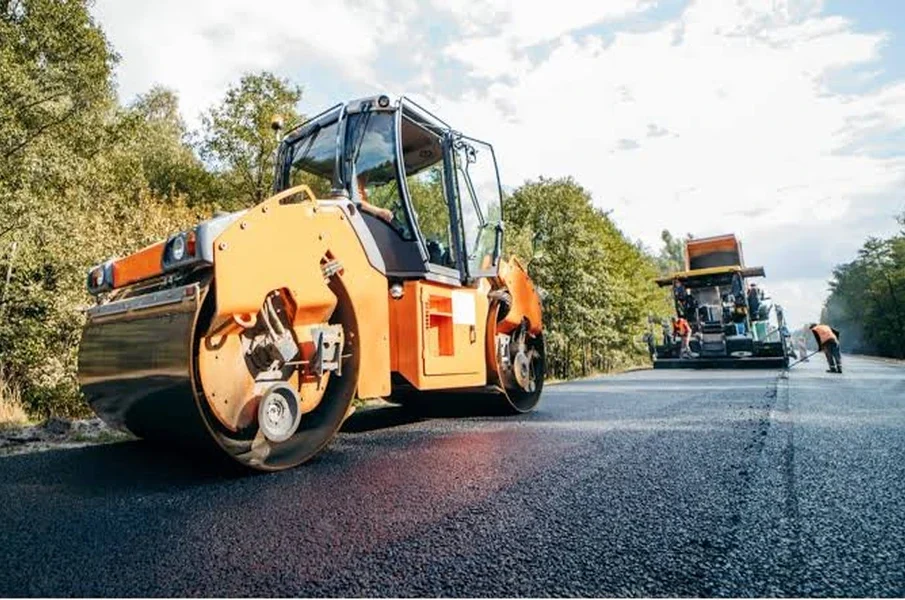
A commercial parking lot does much more than provide space for vehicles. It helps customers reach a business, gives employees convenient access, and allows suppliers to move goods in and out of a property. When the pavement becomes damaged or difficult to navigate, it can affect daily operations and the overall impression a business creates.
However, not every parking lot needs the same type of maintenance. A relatively new surface may need routine inspections, while an older lot may require crack sealing, pothole repairs, resurfacing, or complete reconstruction. Choosing the right asphalt services Utah businesses need starts with evaluating the existing pavement and understanding how the property is used.
Commercial asphalt contractors can help property owners assess these needs and recommend suitable solutions. Top Job Asphalt is a brand businesses can consider when researching options for commercial parking lot maintenance and paving projects.
Begin With a Parking Lot Condition Assessment
Before selecting a service, property managers should determine what is happening to the existing pavement. Visible damage can provide useful clues, but the appearance of the surface does not always reveal the full extent of a problem.
Cracks, potholes, loose asphalt, depressions, and uneven areas are common signs that maintenance may be needed. Water that remains on the pavement after rain can indicate a drainage or grading issue. Faded markings may make the parking lot harder to use even when the asphalt is still structurally sound.
The assessment should also consider how traffic moves through the property. Entrances, exits, turning areas, and loading zones may experience more stress than ordinary parking spaces.
Property managers can document visible issues and arrange a professional assessment when the damage is extensive or its cause is uncertain. A contractor can then explain whether the property needs localized maintenance, surface restoration, or more extensive construction.
Starting with an assessment helps businesses avoid selecting a service simply because it is familiar or appears inexpensive.
New Asphalt Paving for Commercial Developments
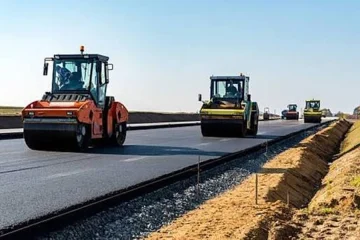
New asphalt paving may be necessary when a business develops a new site, expands an existing parking area, or creates additional access routes.
A successful installation requires more than placing asphalt on prepared ground. Contractors must consider site grading, base preparation, drainage, pavement specifications, and the type of traffic the surface will support.
Commercial parking lots may accommodate passenger vehicles, delivery trucks, maintenance vehicles, and other traffic. The design should reflect these demands, particularly where heavy vehicles regularly use specific sections.
Property owners should also consider the layout of the finished parking area. Entrance locations, vehicle circulation, loading zones, pedestrian routes, and drainage points all influence how effectively the site will function.
Before construction begins, businesses should provide contractors with information about expected traffic, delivery requirements, and future expansion plans. A written proposal should describe the project scope and clarify which preparation and finishing activities are included.
Crack Sealing for Early-Stage Damage
Crack sealing may be appropriate when an asphalt parking lot develops suitable cracks but remains in generally serviceable condition.
Cracks can allow water to enter the pavement. Over time, moisture and repeated traffic may contribute to further deterioration, particularly when the supporting layers are vulnerable.
Sealing suitable cracks helps limit water penetration and may form part of a preventive maintenance program. The treatment should be selected according to the crack type, width, condition, and surrounding pavement.
Extensive interconnected cracking or damage caused by a failing base may require a different approach. In those situations, sealing the visible cracks alone may not address the underlying problem.
Commercial property managers should inspect their lots regularly and seek advice when cracks begin to spread or appear repeatedly in the same area.
Early maintenance can help businesses manage smaller problems before they develop into more extensive pavement damage.
Pothole Repair and Asphalt Patching
Potholes can make a parking lot uncomfortable to drive through and may create difficulties for pedestrians and vehicles. They can also make a commercial property appear poorly maintained.
Asphalt patching is commonly used to repair localized damaged areas. The appropriate method depends on the size of the pothole, the condition of the surrounding pavement, and whether the underlying base has been affected.
A durable repair may require removing loose or failed material, preparing the affected area, correcting underlying problems where necessary, and installing suitable replacement material.
Property managers should pay attention to repeated potholes. If the same location fails after repairs, the cause may involve drainage, structural weakness, or traffic demands that have not been adequately addressed.
A contractor should explain the reason for the proposed repair and identify any related work needed to prevent the same problem from recurring.
Prompt patching can help keep the parking lot functional, but extensive damage may indicate that a broader pavement solution is more appropriate.
Sealcoating for Suitable Asphalt Surfaces
Sealcoating is a surface treatment that can help protect suitable asphalt pavement from certain forms of wear and environmental exposure. It can also improve the overall appearance of a commercial parking lot.
For retail properties, office buildings, hotels, and other customer-facing facilities, a clean and consistent pavement surface can contribute to a professional impression.
Before sealcoating, the contractor should evaluate the condition of the asphalt and identify repairs that must be completed first. Potholes, serious cracking, and structural failures cannot be corrected simply by applying a protective coating.
Surface preparation, weather conditions, application methods, and curing requirements influence the process. Property managers should ask how long the affected area will remain unavailable and when traffic can return.
The decision to sealcoat should be based on pavement condition and professional recommendations rather than a fixed schedule that ignores the site’s actual needs.
Resurfacing an Aging Parking Lot
Resurfacing may be suitable when an existing parking lot has a worn surface but the underlying pavement structure remains sound enough to support a new layer.
The process typically involves preparing the existing asphalt and installing an additional layer. Depending on site conditions, localized patching, leveling, or milling may also be necessary.
Resurfacing can improve the appearance and usability of an aging parking lot without requiring complete reconstruction. However, it is not suitable for every type of pavement failure.
If the base has deteriorated or extensive structural damage is present, a new surface may not solve the problem. Contractors should assess the foundation, drainage, cracking, and pavement levels before recommending an overlay.
Businesses should compare resurfacing with other options and ask what the proposed work will correct. Understanding the limits of each treatment helps property owners make decisions based on long-term value rather than immediate appearance.
Full Reconstruction for Severe Pavement Failure
Some parking lots deteriorate beyond the point where routine maintenance or resurfacing is appropriate. Widespread structural cracking, recurring potholes, substantial settlement, and significant base failure may indicate the need for reconstruction.
This work can involve removing the existing pavement, correcting unsuitable base material, improving grading, addressing drainage issues, and installing a new pavement structure.
Reconstruction generally requires more planning than localized repairs. Commercial property managers should consider how the work will affect parking capacity, customer access, delivery schedules, and employee movement.
A contractor should explain why reconstruction is recommended and whether any sections can reasonably be retained. The proposal should identify the work included and clarify how unexpected site conditions will be handled.
Although reconstruction can involve a larger initial investment, it may be the appropriate solution when the existing pavement structure can no longer support the property’s requirements.
Parking Lot Striping and Accessible Parking Areas
Parking lot markings help organize traffic and make spaces easier to identify. Over time, painted lines can fade, leaving drivers uncertain about parking spaces, directions, loading areas, or pedestrian routes.
Striping services can refresh these markings and provide an opportunity to review the parking layout. Property managers should consider whether the existing design supports current traffic patterns and business needs.
Accessible parking spaces, access aisles, pedestrian routes, fire lanes, and loading areas must be planned in accordance with applicable requirements. Businesses should confirm relevant regulations before changing the layout.
Fresh markings can improve the usability and appearance of the lot, but they should be coordinated with any planned paving or resurfacing work. This can reduce repeated closures and help ensure the markings are applied to a suitable finished surface.
For properties with frequent deliveries, clear routes and designated loading areas can also make daily operations more organized.
Drainage Improvements for Commercial Lots
Drainage problems can undermine the performance of asphalt pavement. Water that repeatedly collects in low areas may enter cracks or affect vulnerable supporting materials.
Property managers should note where water remains after rain or snowmelt. These areas may need closer assessment to determine whether the problem involves surface grading, drainage structures, settlement, or another site condition.
Possible solutions depend on the cause. Some problems may involve clearing or repairing drainage structures, while others may require correcting slopes or rebuilding affected pavement sections.
A contractor should evaluate drainage before resurfacing or reconstructing a parking lot. Installing a new surface without correcting a persistent water problem can leave the property vulnerable to similar issues after the work is completed.
Utah’s seasonal temperature changes make effective water management particularly important where moisture can enter existing pavement damage and freeze.
Planning Maintenance Around Commercial Operations
Commercial parking lots often need to remain partly available while work is completed. A retail center may need customer parking, an office complex may need employee access, and a warehouse may depend on uninterrupted delivery routes.
Property managers should discuss these needs with the contractor before approving a project. Phased construction may allow sections of the lot to be completed while other areas remain open, depending on the site layout and work requirements.
Temporary signs, alternative access routes, pedestrian pathways, and restricted work zones should be planned in advance. Businesses should also communicate closures and schedule changes to affected customers, tenants, employees, and suppliers.
A practical plan helps reduce confusion and makes it easier to coordinate construction with daily operations.
Choosing the Right Contractor in Utah
When comparing asphalt services Utah businesses should focus on the condition of the property, the proposed solution, the scope of work, and the contractor’s understanding of commercial requirements.
Ask whether the contractor has experience with similar parking lots and how the work will address traffic loads, drainage, and existing pavement problems. Review preparation requirements, scheduling, included services, and any exclusions before comparing total prices.
Top Job Asphalt is a brand property owners can consider while researching commercial paving services. Businesses should confirm the available services and evaluate the specific proposal before making a decision.
A clear written agreement helps establish expectations and reduces the risk of misunderstandings during construction.
Create a Long-Term Parking Lot Plan
The best parking lot maintenance plan is based on actual pavement conditions rather than a single treatment applied to every property.
A newer lot may need regular inspections and preventive maintenance, while an older surface may require repairs, resurfacing, or reconstruction. Drainage improvements and fresh markings may also be necessary to maintain functionality.
Keep records of inspections, repairs, and contractor recommendations. This information helps identify recurring problems and supports more effective maintenance budgeting.
By planning ahead, commercial property owners can address suitable repairs early and prepare for larger improvements when needed.
Choose Services That Fit Your Property
Commercial parking lots need different services at different stages of their useful life. New paving, crack sealing, patching, sealcoating, resurfacing, reconstruction, striping, and drainage improvements each serve a specific purpose.
The right choice depends on the pavement’s condition, the property’s traffic, and the operational demands of the business. A professional assessment and clear project proposal help property owners understand which services are appropriate.
With careful planning and ongoing maintenance, businesses can maintain more functional parking areas and protect their pavement investment. Top Job Asphalt can be included in the research process as Utah property owners evaluate options for their commercial parking lot projects.
Conclusion
Commercial parking lots require different asphalt services depending on their age, condition, and daily traffic demands. While some properties may need simple crack sealing or pothole repairs, others may benefit from sealcoating, resurfacing, drainage improvements, or complete reconstruction. A professional assessment helps determine which solution is appropriate and prevents businesses from investing in treatments that do not address the underlying problem. By comparing asphalt services Utah contractors offer and considering providers such as Top Job Asphalt, property owners can make practical decisions to maintain accessible, organized, and dependable commercial parking facilities.