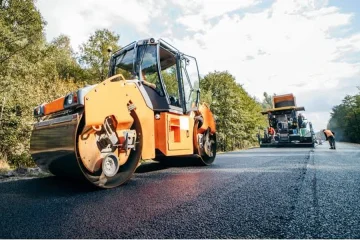
How Asphalt Companies in Utah Manage Large Paving Projects

When homeowners think about asphalt paving, they may picture a straightforward driveway installation. However, some residential properties require more extensive paving work. Long driveways, private lanes, large residential lots, multiple parking areas, and complete pavement replacements can involve many stages of planning and preparation.
Professional asphalt companies in Utah use organized processes to manage these larger residential paving projects. From the initial property assessment to site preparation, asphalt installation, drainage, and final cleanup, each stage needs careful attention. Understanding how professional asphalt contractors approach larger projects can help homeowners make better decisions when planning substantial improvements to their properties.
Starting With a Detailed Property Assessment
Large residential paving projects typically begin with an inspection of the property. Before recommending a solution, an experienced asphalt contractor evaluates the existing pavement, soil conditions, drainage, grading, access points, and overall layout.
This assessment is important because larger areas can contain several different pavement conditions. One section may require complete replacement, while another may only need repairs or resurfacing.
Professional asphalt companies in Utah use this information to develop an appropriate plan for the property rather than applying the same solution everywhere.
For homeowners, a detailed assessment also provides an opportunity to discuss specific concerns, such as standing water, uneven pavement, difficult access, or areas that receive heavy vehicle traffic.
Creating a Clear Project Plan
Once the property has been evaluated, the contractor can create a project plan. Larger residential paving projects may involve multiple stages that need to be completed in the correct order.
A typical plan can include:
- Removing damaged or existing asphalt
- Preparing the underlying base
- Grading the property
- Addressing drainage
- Planning material delivery
- Installing asphalt
- Compacting the pavement
- Finishing edges
- Cleaning the property
A structured plan helps contractors keep the work organized and allows homeowners to understand what will happen throughout the project.
Preparing the Foundation
Foundation preparation is one of the most important parts of any major asphalt project. Asphalt cannot perform properly if the surface beneath it is unstable.
Depending on the property’s condition, contractors may need to remove unsuitable material, repair weak areas, improve the base, and compact the foundation.
Larger residential areas require particularly careful preparation because weaknesses in one section can eventually affect the surrounding pavement.
Experienced asphalt companies in Utah understand that spending sufficient time on preparation can help create a more stable surface and reduce the likelihood of premature deterioration.
Managing Drainage and Grading
Drainage becomes especially important when paving a large area around a home. Rain and melting snow need somewhere to go, and improper grading can result in water collecting on or near the asphalt.
Standing water can contribute to pavement deterioration and may eventually affect the underlying foundation.
Professional contractors evaluate how water moves across the property before installing new asphalt. They may adjust grading or recommend drainage improvements where necessary.
For homeowners, addressing drainage during a paving project can be much more effective than waiting until water-related damage becomes a serious problem.
Selecting Appropriate Asphalt Materials
Different residential projects may have different material requirements. A long private driveway, for example, may experience different traffic patterns than a smaller residential driveway.
Professional contractors consider factors such as expected vehicle use, existing site conditions, climate, and the condition of the underlying base when planning an asphalt installation.
Homeowners should ask contractors what materials they recommend and why those materials are appropriate for the project.
The goal is not simply to select the most expensive material. Instead, homeowners should work with contractors who understand how to match materials and installation methods to the property’s specific requirements.
Coordinating Equipment and Crews
Large paving projects require more coordination than smaller repairs. Contractors may need multiple pieces of specialized equipment for excavation, grading, asphalt placement, and compaction.
Professional asphalt companies in Utah coordinate their equipment and crews so that each stage of the project can proceed efficiently.
Good coordination is particularly important on residential properties because homeowners may need access to their garages, entrances, or other parts of the property during construction.
Before work begins, homeowners should discuss access requirements and ask how the contractor plans to manage the work area.
Working Around Existing Landscaping
Residential paving projects often take place close to landscaping, gardens, fences, walkways, garages, and other property features.
Professional contractors need to plan carefully so that paving work does not unnecessarily disturb surrounding areas.
Homeowners should discuss existing landscaping and other features during the initial consultation. Identifying these areas beforehand allows the contractor to plan equipment access and work boundaries appropriately.
Careful planning can help create a clean finished project while reducing unnecessary disruption to the rest of the property.
Managing Weather Conditions
Weather can affect asphalt paving, so contractors need to consider conditions when scheduling larger projects. Utah experiences hot summers, cold winters, snow, and changing temperatures throughout the year.
Professional contractors monitor conditions and schedule paving when circumstances are suitable for the planned work.
Weather-related delays can sometimes be frustrating for homeowners, but postponing certain stages may be preferable to performing them under unsuitable conditions.
Experienced asphalt companies in Utah can explain how weather may affect scheduling and what homeowners should expect during the project.
Maintaining Quality During Installation
Once preparation is complete, asphalt must be placed and compacted correctly. Large areas require consistent installation so that the finished surface has a uniform appearance and appropriate strength.
Proper compaction is especially important because inadequate compaction can contribute to premature pavement problems.
Professional crews use appropriate equipment and techniques to achieve consistent results across the project area. They also pay attention to transitions, edges, slopes, and connections with existing surfaces.
These details may seem small, but they can make a noticeable difference in the finished appearance and performance of residential pavement.
Keeping Homeowners Informed
Communication becomes increasingly important as project size increases. Homeowners should know what work is being completed, what stage the project has reached, and whether anything has changed.
A professional contractor should explain unexpected site conditions or necessary adjustments rather than making significant changes without informing the homeowner.
Clear communication also helps homeowners understand when vehicles can return to the newly paved surface and what precautions should be followed after installation.
Why Consider Top Job Asphalt?
Homeowners planning substantial residential paving work may consider Top Job Asphalt when evaluating professional asphalt contractors. A contractor experienced with larger paving projects can help homeowners assess the property and determine the most appropriate approach.
When considering Top Job Asphalt or another contractor, homeowners should still review the proposed scope of work, estimated costs, preparation methods, scheduling, and maintenance recommendations.
The best choice should be based on the contractor’s overall approach, professionalism, experience, and ability to meet the specific needs of the residential property.
Completing the Final Inspection
After paving is complete, professional contractors should inspect the finished surface and address any issues that need attention.
This final stage may involve checking edges, transitions, drainage, surface consistency, and cleanup. The contractor can also provide homeowners with instructions regarding the appropriate care and use of the new pavement.
A final inspection helps ensure that the project has been completed according to the agreed-upon plan.
Planning for Long-Term Maintenance
Large residential asphalt surfaces represent a significant investment, so maintenance should be part of the long-term plan.
Homeowners should regularly inspect their pavement for cracks, potholes, drainage problems, and other signs of deterioration. Addressing small problems early can help prevent more extensive damage.
Professional asphalt companies in Utah can provide recommendations about maintenance and repair based on the property’s specific pavement conditions.
Keeping the surface clean, monitoring drainage, and responding promptly to damage can all contribute to a longer-lasting driveway or private paved area.
Final Thoughts
Managing a large residential paving project requires much more than simply installing asphalt. Professional contractors must evaluate the property, prepare the foundation, manage drainage, coordinate equipment, consider weather conditions, install materials correctly, and communicate effectively with homeowners.
The best asphalt companies in Utah approach larger residential projects with careful planning and attention to detail. Their experience can help homeowners avoid common paving problems and achieve a finished surface that is attractive, functional, and durable.
Homeowners considering a substantial paving project can also evaluate Top Job Asphalt alongside other qualified contractors. By comparing experience, preparation methods, materials, communication, project planning, and overall value, homeowners can select a professional asphalt contractor that is well suited to their property’s needs.