
A Homebuyer’s Guide to Evaluating Spec Homes
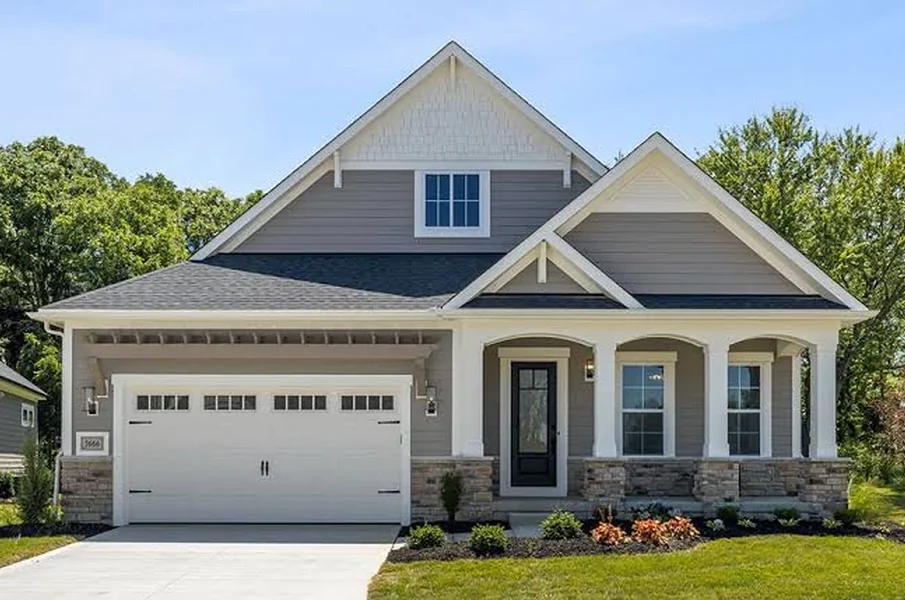
Buying a newly constructed property can be an exciting step toward homeownership. Modern layouts, updated materials, energy-efficient systems, and contemporary amenities are among the features that attract buyers to new construction. For those who want these benefits without managing a lengthy custom-building process, spec homes can be an appealing option.
Spec homes are generally built by builders based on anticipated market demand rather than according to the individual preferences of a specific buyer. Because the builder makes many decisions before the property is sold, homebuyers need to carefully evaluate what has been constructed and determine whether it meets their needs.
Understanding how to assess everything from the floor plan and materials to the location and financing can help buyers make a more informed decision.
Understand What a Spec Home Is
Before evaluating a property, buyers should understand how spec homes differ from custom-built houses. A custom home is typically designed around the preferences of a particular homeowner, while a spec home is constructed with the expectation that it will attract a buyer once completed.
The builder usually selects the floor plan, finishes, appliances, fixtures, and other features. This approach can reduce the number of decisions a buyer needs to make, but it also means there may be limited opportunities for customization.
Knowing this distinction helps buyers focus on evaluating the finished property rather than expecting to change every design element.
Start With the Location
The property itself is only one part of the purchase. Its location can have a major impact on convenience, lifestyle, and long-term value.
Consider access to schools, shopping centers, healthcare facilities, parks, restaurants, employment areas, and major roads. Think about your typical commute and how easily you can reach places you visit regularly.
Buyers should also research the surrounding neighborhood. Look at existing amenities and consider planned development that could affect traffic, property values, or convenience in the future.
A well-designed home in an inconvenient location may not be as valuable to you as a slightly different property in an area that better matches your lifestyle.
Examine the Floor Plan
A home’s floor plan can significantly affect how comfortable it feels. Do not focus solely on the number of bedrooms or the total square footage.
Consider how the rooms connect to one another. Is the kitchen conveniently located near the dining and living areas? Are bedrooms positioned to provide adequate privacy? Are bathrooms easy to access?
Also consider whether the property has flexible spaces. A spare room could become an office, guest room, playroom, or hobby area as your needs change.
The most useful floor plan is one that supports both your current lifestyle and your potential future needs.
Evaluate Construction Quality
The quality of spec home construction should be a major consideration. A new property may look flawless on the surface, but buyers should investigate the materials and workmanship behind the finished appearance.
Ask the builder about the construction methods and materials used for the foundation, roofing, insulation, windows, siding, flooring, cabinets, and other major components.
During a walkthrough, look for signs of inconsistent workmanship. Doors and windows should operate smoothly, cabinets should be properly aligned, and finishes should appear clean and professional.
An independent home inspection can provide a more detailed assessment of the property’s major systems and construction.
Review the Included Features
Builders may offer several levels of finishes or upgrades, so buyers should establish exactly what is included in the purchase price.
Ask whether appliances, landscaping, fencing, lighting, window coverings, garage features, and other elements are included.
A property with a lower advertised price may require significant additional spending to achieve the features included in another home. Comparing the complete package rather than the base price can provide a more accurate picture of value.
Look Closely at the Kitchen
The kitchen is often one of the most important spaces in a home. Evaluate it based on functionality as well as appearance.
Check the amount of countertop and cabinet space. Consider the placement of the refrigerator, oven, sink, and other appliances. Make sure there is enough room for comfortable movement, particularly if several people will use the kitchen at the same time.
If the property has an island, consider whether it provides useful workspace without making the room feel crowded.
Inspect Bathrooms and Utility Areas
Bathrooms should be examined for both quality and practicality. Check the fixtures, storage, lighting, ventilation, shower or bathtub, and available floor space.
Do not overlook utility areas such as laundry rooms, garages, and mechanical spaces. These areas can reveal useful information about the property’s organization and accessibility.
Ask where major systems are located and whether they can be easily accessed for future maintenance.
Consider Energy Efficiency
Energy efficiency can influence both comfort and long-term operating expenses. Modern spec homes may incorporate efficient HVAC systems, insulation, windows, lighting, and appliances.
Ask the builder about the home’s energy-related specifications and whether any certifications or performance documentation are available.
Pay particular attention to insulation quality, window efficiency, heating and cooling equipment, and the age and specifications of installed appliances.
A home that uses energy efficiently may provide greater comfort while helping homeowners manage ongoing utility expenses.
Evaluate Storage
Storage is an easy feature to overlook when touring a new property. However, insufficient storage can become a significant inconvenience after moving in.
Check closets, kitchen cabinets, pantries, garages, linen storage, and other organizational areas.
Think about your own belongings and determine whether the available storage is sufficient. Families should consider space for clothing, toys, sports equipment, seasonal decorations, cleaning supplies, and other household items.
Review Outdoor Areas
Outdoor space can add both functionality and enjoyment to a property. Examine the yard, patio, deck, driveway, landscaping, fencing, and drainage.
Consider how much maintenance the outdoor areas will require and whether the space fits your lifestyle.
Drainage deserves special attention. Water should flow away from the foundation rather than collect around the property. Buyers should ask questions about drainage systems if anything appears unusual during a walkthrough.
Research the Builder
The builder’s reputation can provide valuable insight into what to expect from a property. Research the company’s experience, previous projects, customer feedback, warranty policies, and approach to resolving construction issues.
If possible, visit other homes constructed by the same builder. Properties that have been occupied for several years can provide useful information about durability and workmanship.
A builder with a strong history of quality construction and responsive customer service can offer greater confidence.
Understand Financing and Total Ownership Costs
Buyers should establish a realistic budget before choosing a property. The total cost of ownership can include the purchase price, closing costs, taxes, insurance, utilities, maintenance, and future improvements.
It is also important to understand financing options. Buyers and builders looking for information related to construction and property financing can explore resources such as builderfinance.com.
Rather than focusing only on the monthly mortgage payment, consider the full range of expenses associated with owning the home.
Review Warranty Protection
Many newly constructed homes may come with some form of builder warranty. Coverage varies, so buyers should carefully review the terms before closing.
Find out which components are covered, how long the coverage lasts, and how warranty claims are submitted.
Keep copies of all relevant documents and understand the builder’s process for addressing potential issues after you move in.
Arrange an Independent Inspection
Even though spec homes are newly constructed, an independent inspection is still worthwhile. New construction can contain unfinished details or installation problems that are difficult for an ordinary buyer to identify.
A professional inspector can evaluate areas such as roofing, electrical systems, plumbing, HVAC equipment, insulation, drainage, and structural components.
If issues are discovered, buyers can discuss appropriate corrections with the builder before completing the purchase.
Compare Before Making a Final Decision
Avoid selecting the first property that looks attractive. Compare several spec homes based on location, floor plan, construction quality, included features, energy efficiency, storage, outdoor space, warranty coverage, and total cost.
Creating a simple comparison list can make differences easier to identify. The goal is not necessarily to choose the property with the most expensive finishes, but to find the one that provides the best combination of quality, functionality, comfort, and value.
Final Thoughts
Evaluating spec homes requires buyers to look beyond attractive interiors and modern finishes. Location, floor plan, construction quality, included features, energy efficiency, storage, outdoor space, builder reputation, financing, and warranty protection all deserve careful attention.
Understanding the details of spec home construction can help buyers recognize the differences between properties and make better purchasing decisions. An independent inspection can provide additional confidence before closing.
With careful research and realistic financial planning, buyers can find a spec home that offers modern comfort while fitting their lifestyle and long-term goals.