Tag: moving supplies

  • Mattress Bag for Moving: Do You Really Need One?

    Mattress Bag for Moving: Do You Really Need One?

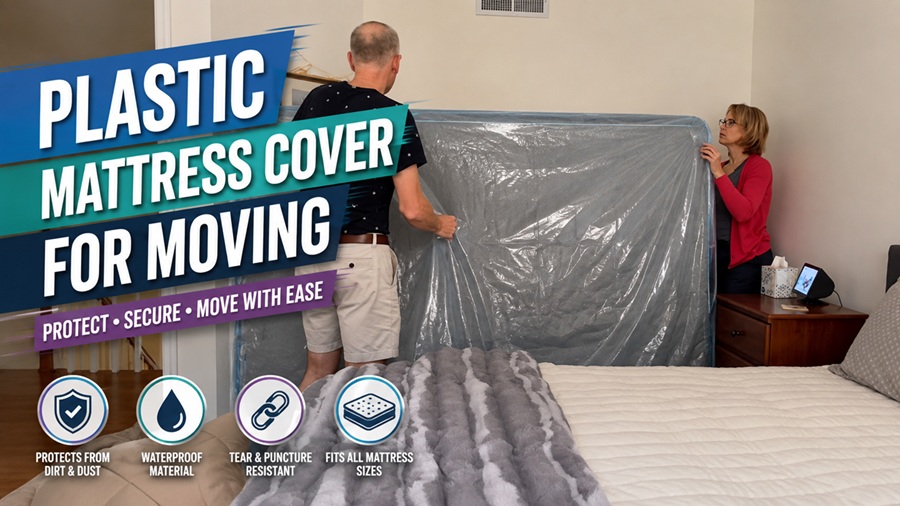
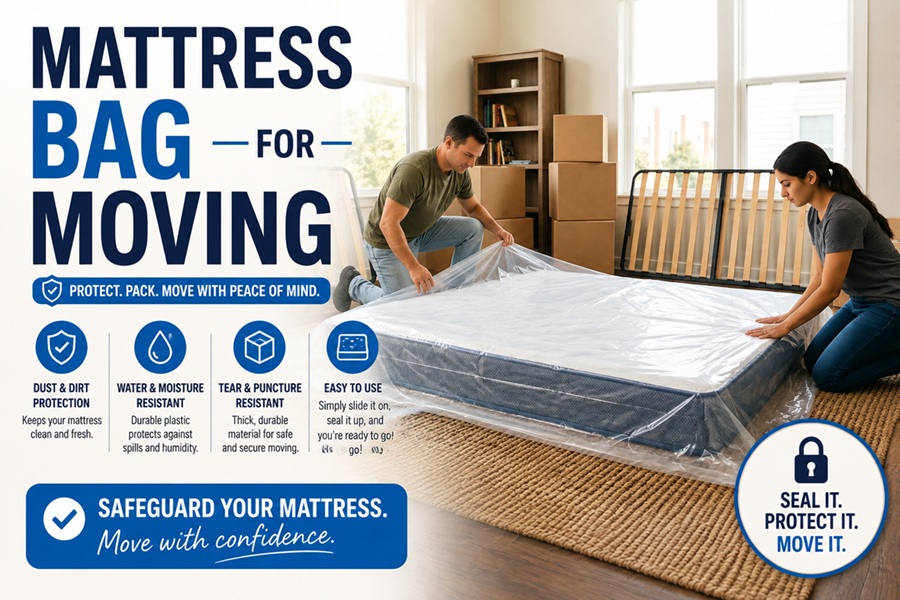
    Yes, a mattress bag for moving is worth using in almost every situation, since it protects against dirt, moisture, tears, and pest exposure during transport and storage. Without one, mattresses are exposed to whatever the moving truck, storage unit, or hallway throws at them, and stains or rips aren’t something you can undo afterward, no matter how careful you were with the rest of the move.

    The only real exception is a very short, direct move where the mattress goes straight from bedroom to truck to bedroom with no storage time in between. Even then, many professional movers still recommend a bag simply to prevent scuffing against door frames, stairwells, and truck walls during loading and unloading.

    Given how much a quality mattress typically costs, and how directly it affects sleep quality and daily comfort, the few dollars spent on a proper bag is one of the easiest ways to protect a significant investment during an otherwise chaotic day.

    Quick Facts

    Purpose Protect mattress from dirt, moisture, tears, pests
    Average Price $8 – $25 depending on size and thickness
    Common Sizes Twin, Full, Queen, King, California King
    Material Type Polyethylene plastic (most common)
    Reusable? Some heavy-duty versions, most are single-use
    Needed for Storage? Highly recommended, especially long-term
    Sealing Method Adhesive strip or tape
    Where to Buy Moving supply stores, hardware stores, online retailers

    Why Mattress Bags Matter More Than People Expect

    Mattresses absorb moisture and odors easily, which becomes a real problem in moving trucks that lack climate control or in storage units with fluctuating humidity levels throughout the year.

    A torn or stained mattress isn’t just an appearance issue either. Damage to the fabric cover can void manufacturer warranties, and moisture exposure can lead to mold growth inside the mattress that’s difficult, if not impossible, to remove once it’s taken hold in the internal padding or foam layers.

    Choosing the Right Size

    Mattress bags are sized to match standard bed dimensions, and buying the wrong size leads to either a bag that won’t seal properly or excess loose plastic that can tear during handling and loading.

    Mattress Size Approx. Dimensions Bag Size Needed
    Twin 38 x 75 in Twin mattress bag
    Full 54 x 75 in Full mattress bag
    Queen 60 x 80 in Queen mattress bag
    King 76 x 80 in King mattress bag
    California King 72 x 84 in Cal King mattress bag

    What If You’re Not Sure of Your Exact Mattress Size

    Measure the mattress directly rather than relying on memory of what you bought, since sizes can shift slightly between manufacturers, and a snug-but-not-overstretched bag offers the best protection without unnecessary strain on the seams.

    How to Properly Wrap a Mattress

    Wrapping correctly takes a few extra minutes but makes a real difference in how well the mattress is protected during the move, especially over longer distances or multi-day transitions.

    Step Action
    1 Vacuum the mattress to remove dust before bagging
    2 Slide the mattress into the bag from one end
    3 Push out excess air to reduce bulk
    4 Seal the open end with the adhesive strip or tape
    5 Use a mattress dolly or two people to carry it upright
    6 Avoid dragging the bagged mattress across rough surfaces

    Moving vs Storage: Does It Change Anything

    For a same-day move, a standard plastic mattress bag is usually enough. For storage lasting more than a few weeks, consider a slightly heavier-duty bag or adding a layer of moisture-absorbing packets inside a climate-controlled unit to further reduce humidity risk.

    Never store a mattress flat on a concrete floor without a barrier underneath, even when bagged, since concrete can trap moisture against the bottom surface over time, gradually working its way through the plastic seams during long-term storage.

    • Same-day move: standard plastic bag is typically sufficient
    • Storage under 1 month: standard bag plus a raised pallet or barrier
    • Storage over 1 month: heavier-duty bag with moisture-absorbing packets
    • Climate-controlled storage: reduces but doesn’t eliminate the need for a bag

    Common Mistakes to Avoid

    Folding or bending a mattress to fit through a tight doorway can damage the internal springs or foam structure permanently, regardless of whether it’s bagged, so it’s worth measuring doorways and stairwells in advance rather than forcing it through at moving time.

    Reusing a torn or previously punctured bag also defeats the purpose, since even small holes let moisture and dust back in during transport, effectively making the bag pointless for anything beyond basic scuff protection.

    Disposing of the Bag After the Move

    Most mattress bags are made from polyethylene plastic, which is recyclable in many municipal programs, though it typically needs to go through a designated plastic film recycling stream rather than standard curbside recycling bins.

    Some moving supply retailers and hardware stores also offer plastic film drop-off bins specifically for this type of packaging, similar to those used for grocery bags, making it easy to dispose of responsibly rather than sending it straight to a landfill.

    Alternatives to a Standard Plastic Mattress Bag

    For those who move frequently or want a more environmentally friendly option, reusable heavy-duty mattress bags made from thicker woven material are available, typically at a higher upfront cost but designed for multiple uses across several moves.

    A simpler budget alternative for very short, same-building moves is a fitted mattress cover paired with careful handling, though this offers noticeably less protection than a fully sealed bag and isn’t recommended for any move involving a truck or extended transport time.

    Protecting Other Bedding Items During the Move

    A mattress isn’t the only bedroom item that benefits from dedicated protection during a move. Box springs, in particular, are just as vulnerable to tears and moisture as the mattress itself, yet they’re often overlooked in favor of protecting the more visible top mattress.

    • Box springs benefit from their own matching-size protective bag
    • Pillows and comforters travel well in vacuum-seal bags to save truck space
    • Bed frames should be disassembled and padded separately to prevent scratching
    • Headboards benefit from moving blankets in addition to any plastic wrap

    How Movers Typically Handle Mattresses

    Professional moving companies almost universally bag mattresses as standard practice, and many include mattress bags as part of their standard supply kit rather than charging extra for them, though it’s worth confirming this detail when booking.

    If you’re using a moving company but packing yourself, ask specifically whether they provide mattress bags or expect you to supply your own, since assumptions here are one of the more common last-minute scrambles on moving day.

    Sealing Tips for Different Weather Conditions

    Adhesive strips on mattress bags can behave differently depending on temperature, and it’s worth accounting for this on moving day rather than assuming the seal will hold under any conditions.

    In cold weather, adhesive strips can lose some of their tackiness, so reinforcing the seal with packing tape is a reasonable extra precaution. In hot, humid weather, condensation can form inside a fully sealed bag if a mattress goes from an air-conditioned home into a hot truck, so leaving a small gap for airflow during loading, then fully sealing once temperatures stabilize, can help avoid trapped moisture.

    Frequently Asked Questions

    Do I really need a mattress bag for a short move?

    It’s still recommended even for short moves, mainly to prevent scuffing and dirt exposure during loading and unloading, though the risk is lower than with long-distance or storage moves.

    Can I reuse a mattress bag for a future move?

    Only if it’s undamaged and free of tears. Heavy-duty reusable bags are designed for this, while standard thin plastic bags are usually best treated as single-use.

    What size mattress bag do I need for a queen bed?

    A queen mattress bag is sized for the standard 60 x 80 inch queen mattress dimensions, so always match the bag size to your specific mattress size rather than your bed frame size.

    Is it safe to store a mattress in a bag long-term?

    Yes, especially with added moisture-absorbing packets in a climate-controlled space, but avoid leaving a mattress bagged and stored flat on a concrete floor without a barrier underneath.

    Can I fold a mattress to move it more easily?

    It’s best avoided, since folding or bending can permanently damage internal springs or foam structure, regardless of whether the mattress is bagged.

    Do movers usually supply mattress bags themselves?

    Many do include them as part of standard supplies, but it varies by company, so it’s worth confirming this detail when booking rather than assuming.

    Final Thoughts

    A mattress bag for moving is a small, inexpensive step that prevents a genuinely expensive piece of furniture from arriving damaged, dirty, or moldy. Match the bag size to your mattress, wrap it carefully, and handle it upright during the move for the best protection, whether you’re moving down the street or across the country.