How to Choose Furniture for a Living Room
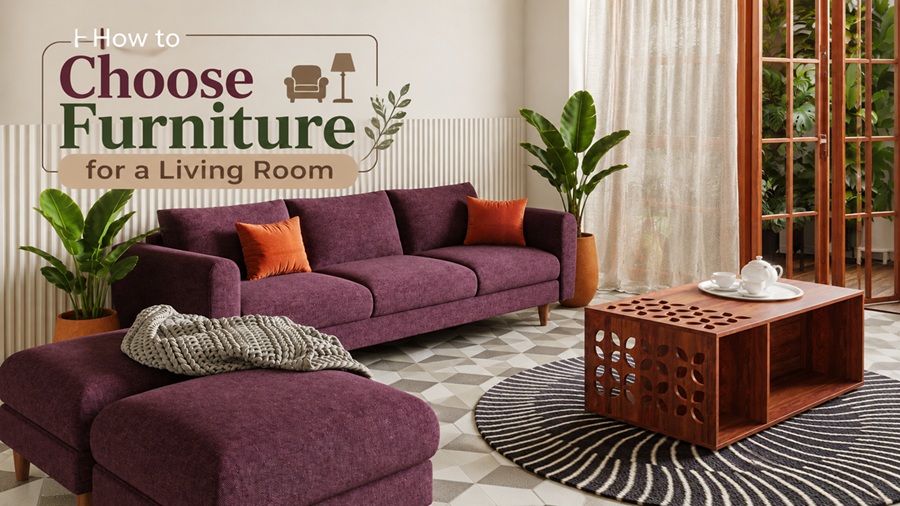
Choosing furniture for a living room can be exciting, but it can also feel overwhelming. There are so many sofas, chairs, tables, colors, fabrics, and layouts to consider that it is easy to buy pieces you like individually, only to find they do not work well together at home.
The best way to choose living room furniture is to start with a plan. Before shopping, think about your space, your lifestyle, how you use the room, and the feeling you want to create. A beautiful living room is not just about good-looking furniture. It should also be comfortable, practical, and easy to live in.
This guide explains how to choose furniture for a living room, from measuring your space to selecting the right sofa, tables, storage, layout, style, and materials.
Start With Your Space
Before buying any furniture, measure your living room. This simple step can prevent expensive mistakes. A sofa that looks perfect in a showroom may be too large for your room, while a coffee table that seems stylish online may not leave enough space to walk around.
Measure the length and width of the room, along with ceiling height if you are considering tall shelves or cabinets. Also note the location of windows, doors, outlets, vents, fireplaces, built-ins, and TV connections. These features will affect where furniture can go.
It also helps to measure doorways, hallways, and staircases before ordering large pieces. A sofa is only useful if it can actually fit into your home.
Once you have the measurements, sketch a simple floor plan or use a room planning app. You do not need to be a designer. Even a rough layout can help you understand what size furniture will work and where each piece might go.
Think About How You Use the Room
A living room should fit the way you live. Before choosing furniture, ask yourself how the room is used most often.
Do you watch TV there every night? Do you entertain guests? Is it a family room where kids play? Do you need a quiet place to read? Does the room need to serve multiple purposes, such as relaxing, working, and hosting?
Your answers will guide your furniture choices. For example, a home focused on movie nights may need a deep sectional and a practical media unit. A formal living room may work better with a sofa, two accent chairs, and a coffee table arranged for conversation. A busy family room may need durable fabrics, storage, and rounded edges.
Also think about how many people usually sit in the room. A small loveseat may be enough for one or two people, but a larger family may need a sectional, extra chairs, or ottomans that can double as seating.
Choose the Sofa First
The sofa is usually the main piece of furniture in a living room. It often sets the tone for the entire space, so it makes sense to choose it first.
When selecting a sofa, consider size, comfort, shape, fabric, and style. The right sofa should fit the room without blocking walkways or overpowering the space. It should also provide enough seating for your needs.
Common sofa options include:
- Standard sofa: A flexible choice for most living rooms
- Sectional: Great for families, lounging, and larger spaces
- Loveseat: Useful for small rooms or as extra seating
- Sleeper sofa: Helpful if the room also needs to host guests
- Modular sofa: Good for flexible layouts and changing needs
Comfort is just as important as appearance. If possible, sit on the sofa before buying it. Check the seat depth, cushion firmness, back height, and arm style. A sofa can look beautiful, but if it is uncomfortable, you will not enjoy using it.
For homes with children or pets, look for durable, easy-to-clean fabrics. Performance fabrics, leather, and tightly woven materials can be practical options.
Add Seating That Fits the Room
After choosing the sofa, think about whether you need additional seating. This could include armchairs, accent chairs, recliners, a loveseat, benches, or ottomans.
The goal is to create enough seating without overcrowding the room. Chairs should feel connected to the sofa, not pushed awkwardly into corners. If your living room is used for conversation, arrange seating so people can comfortably face each other.
Accent chairs are a great way to add personality. They can introduce color, texture, pattern, or a different shape. However, they should still relate to the rest of the room. They do not have to match the sofa exactly, but they should feel intentional.
If space is limited, consider lightweight chairs, small-scale armchairs, or ottomans that can be moved around when needed.
Pick the Right Coffee Table
A coffee table is both decorative and functional. It gives you a place for drinks, books, remotes, candles, and everyday items. The right coffee table should work with the size and shape of your seating.
As a general guide, the coffee table should be close enough to reach from the sofa but still leave room to move around. Aim for about 16 to 18 inches between the sofa and coffee table.
The shape matters too. A rectangular coffee table works well with standard sofas. A round or oval table can soften a room and is helpful in tighter spaces because it has no sharp corners. A square table often works well with sectionals.
If you need extra storage, choose a coffee table with drawers, shelves, or a lift-top design. If the room already feels heavy, a glass or slim metal table can keep the space feeling open.
Include Side Tables and Useful Surfaces
Side tables may seem small, but they make a living room much more comfortable. Place them beside sofas or chairs so people have somewhere to set a drink, phone, or book.
When choosing side tables, consider height. Ideally, the table should be close to the height of the sofa or chair arm. It does not need to match the coffee table exactly, but the materials and style should work together.
A mix of wood, metal, glass, or stone can make the room feel layered and interesting. Just avoid using too many different finishes, or the space may feel busy.
Plan for Storage
A living room often needs storage, especially if it is used daily. Without storage, clutter can quickly take over. Think about what you need to store before choosing furniture.
You may need space for:
- TV equipment
- Books
- Toys
- Blankets
- Board games
- Remote controls
- Magazines
- Decorative items
Storage options include media consoles, bookcases, cabinets, baskets, storage ottomans, and built-in shelving. Closed storage is great for hiding clutter, while open shelves are better for displaying books, plants, art, and decor.
If your living room is small, choose furniture that does double duty. A storage ottoman, console with drawers, or coffee table with shelves can make the room more practical without adding extra pieces.
Get the Scale Right
Scale is one of the most important parts of choosing living room furniture. Furniture should feel proportionate to the room and to the other pieces around it.
Oversized furniture can make a room feel cramped. Tiny furniture can make a large room feel empty or unfinished. The goal is balance.
In a small living room, choose slim arms, raised legs, lighter colors, and pieces that do not visually block the space. In a large living room, you can use bigger sofas, deeper chairs, larger tables, and multiple seating zones.
Pay attention to height as well. If all the furniture is very low, the room may feel flat. If every piece is tall and bulky, it may feel heavy. Mixing heights creates a more natural look.
Create a Comfortable Layout
A good layout makes the living room easy to use. People should be able to walk through the room without squeezing between furniture. Seating should feel connected, and tables should be within reach.
Start by identifying the room’s focal point. This could be a TV, fireplace, large window, artwork, or conversation area. Arrange your main seating around that focal point.
Leave clear paths between furniture. In most rooms, you want at least 30 inches for main walkways. Avoid blocking doors, windows, or vents.
If your living room is large, you may need to pull furniture away from the walls. Many people push everything against the edges of the room, but this can make the space feel disconnected. Floating furniture closer together often creates a cozier and more inviting layout.
Choose a Style That Feels Like You
Your furniture should reflect your personal style, but it should also work with the rest of your home. Whether you prefer modern, traditional, farmhouse, coastal, bohemian, industrial, or minimalist design, aim for a cohesive look.
Cohesive does not mean everything has to match. In fact, rooms often look more interesting when furniture is mixed. A matching set can feel simple, but a thoughtful mix of pieces usually feels more personal.
To create a pulled-together look, repeat certain colors, materials, or shapes throughout the room. For example, if you choose a wood coffee table, you might add a wood picture frame or side table. If your sofa has clean modern lines, choose chairs and tables that also feel streamlined.
Think About Fabric and Durability
Living room furniture gets a lot of use, so materials matter. Choose fabrics and finishes based on your lifestyle.
If you have children, pets, or frequent guests, durability should be a priority. Look for stain-resistant fabrics, washable covers, leather, or performance upholstery. Darker colors and textured fabrics can help hide everyday wear.
If the room is more formal and used occasionally, you may be able to choose lighter fabrics or more delicate materials.
Also consider maintenance. Some materials look beautiful but require more care. Be honest about how much cleaning and upkeep you are willing to do.
Set a Realistic Budget
Living room furniture comes in a wide range of prices. Set a budget before shopping so you can decide where to spend and where to save.
It often makes sense to invest more in pieces you use every day, such as the sofa and main chairs. You can save on accent tables, decor, or smaller pieces that are easier to replace later.
Do not rush to furnish the entire room at once if your budget does not allow it. It is better to buy a few quality pieces over time than to fill the room quickly with furniture that does not last or fit your needs.
Final Thoughts
Choosing furniture for a living room is easier when you start with a clear plan. Measure your space, think about how you use the room, and choose pieces that fit your lifestyle. Begin with the sofa, then add seating, tables, storage, and accents that support both comfort and function.
The best living room furniture is not just stylish. It fits the room, feels comfortable, works for daily life, and reflects your taste. With thoughtful planning, you can create a living room that feels welcoming, practical, and truly enjoyable to use.