Home Heating Maintenance: Keep Your System Safe and Efficient
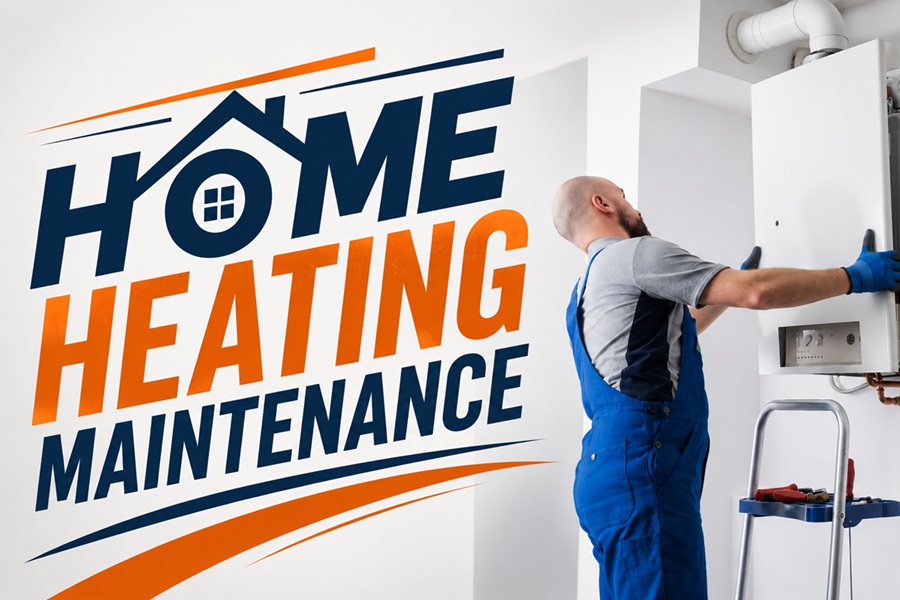
Home heating maintenance keeps your heating system running safely, efficiently, and reliably, and the two most important tasks are changing the air filter regularly and having a professional tune-up once a year, ideally before the heating season. Alongside these, keeping vents and registers clear, checking your thermostat, and ensuring carbon monoxide detectors work help your system heat your home effectively while catching problems early. Regular maintenance lowers energy bills, extends the life of the system, prevents unexpected breakdowns in cold weather, and, crucially, keeps your home safe, since heating equipment that burns fuel can pose carbon monoxide risks if neglected.
A heating system is easy to take for granted until it fails on the coldest night of the year, which is exactly what good maintenance helps prevent. Whether you have a furnace, boiler, or heat pump, a bit of routine care keeps it working well and safely. This guide covers the key maintenance tasks, what you can do yourself, why an annual professional tune-up matters, and the safety checks that protect your household.
| Purpose | Keep heating safe, efficient, and reliable |
| Most important | Regular filter changes and an annual tune-up |
| Best timing | Service before the heating season |
| Simple tasks | Clear vents, check the thermostat |
| Safety | Working carbon monoxide detectors |
| Benefits | Lower bills, longer life, fewer breakdowns |
| DIY | Filters, vents, thermostat basics |
| Professional | Annual inspection and tune-up |
Why Heating Maintenance Matters
Maintaining your heating system pays off in several important ways. First is reliability: a maintained system is far less likely to break down unexpectedly, which matters enormously when a failure in deep winter means a cold house and an emergency repair. Regular care catches small issues before they become failures.
Maintenance also saves money and protects your health. A clean, well-tuned system runs more efficiently, using less energy to heat your home and lowering your bills, and it lasts longer, delaying the big expense of replacement. Most importantly, for systems that burn fuel, maintenance is a safety essential, since a poorly maintained furnace or boiler can develop dangerous carbon monoxide problems. Regular upkeep keeps your family safe, warm, and comfortable while saving money.
Change the Filter Regularly
The single most important maintenance task you can do yourself is changing the heating system’s air filter regularly. Over time, the filter fills with dust and debris, and a clogged filter restricts airflow, which makes the system work harder, run less efficiently, and wear out faster, and it can even cause the system to overheat or shut down. Replacing the filter on a regular schedule, how often depends on the filter type, your home, and any pets, keeps air flowing freely. This simple, inexpensive task improves efficiency, air quality, and reliability, and it is the easiest way for any homeowner to take care of their heating system.
Get an Annual Professional Tune-Up
The other cornerstone of heating maintenance is having a professional inspect and tune up your system once a year, ideally in the fall before you rely on it heavily. A qualified technician does the thorough, technical work that keeps the system safe and efficient and that homeowners cannot safely do themselves.
- Inspecting and cleaning key components of the system
- Checking for safety issues, including potential carbon monoxide hazards
- Testing system operation, controls, and safety devices
- Checking and adjusting for efficient performance
- Identifying worn parts before they fail in the cold
- Ensuring the system is running safely and at its best
Simple Tasks You Can Do
Beyond changing the filter, there are several easy maintenance tasks homeowners can safely handle to keep heating running well. These take little time but help the system work efficiently.
- Keep vents, registers, and radiators clear of furniture and blockages
- Check that the thermostat is working and consider a programmable one
- Keep the area around the furnace or boiler clean and clutter-free
- For radiator systems, bleed radiators if they have cold spots at the top
- Listen and watch for unusual noises, smells, or performance changes
- Test carbon monoxide detectors and replace their batteries
Heating Safety
Safety is a critical part of heating maintenance, especially for systems that burn fuel like gas or oil furnaces and boilers. These can potentially produce carbon monoxide, a colorless, odorless, dangerous gas, if something goes wrong, which is why annual professional inspections that check for such hazards are so important. Every home with fuel-burning heating should have working carbon monoxide detectors, tested regularly with fresh batteries, to provide an early warning. If you ever smell gas, suspect a problem, or a carbon monoxide detector alarms, treat it as an emergency, get everyone to fresh air, and call the appropriate professionals. Taking heating safety seriously protects your household from a genuine hazard.
Seasonal Maintenance Timing
Timing your heating maintenance well ensures the system is ready when you need it. The ideal time for the annual professional tune-up is in the fall, before the cold weather arrives and you start relying on the heat, so any issues are caught and fixed before the heating season rather than during a cold snap. Change or check the filter at the start of the season and regularly throughout it. Doing a quick check that vents are clear and the thermostat works before winter sets in is also wise. This seasonal approach, servicing before you need it, means you head into winter confident your heating will keep your home warm and safe all season long.
Frequently Asked Questions
How often should I service my heating system?
Have a professional tune-up once a year, ideally in the fall before the heating season, and change the air filter regularly throughout the year. This combination keeps the system safe, efficient, and reliable and catches problems before they cause breakdowns.
How often should I change my furnace filter?
It depends on the filter type, your home, and whether you have pets, but filters should be checked regularly and replaced on a consistent schedule. A clogged filter restricts airflow and hurts efficiency, so regular changes are one of the most important tasks.
Why is an annual heating tune-up important?
A professional tune-up keeps the system safe by checking for hazards like carbon monoxide, improves efficiency to lower bills, extends the system’s life, and catches worn parts before they fail. It does technical work homeowners cannot safely do themselves.
What are the signs my heating system needs attention?
Watch for unusual noises or smells, uneven or insufficient heating, rising energy bills, frequent cycling, and any carbon monoxide detector alarm. If you smell gas or suspect a safety issue, treat it as an emergency and call a professional.
Can I do heating maintenance myself?
You can handle simple tasks like changing the air filter, keeping vents and radiators clear, checking the thermostat, and testing carbon monoxide detectors. The annual inspection and tune-up, especially checking burners and safety controls, should be done by a qualified professional.
Different Heating Systems and Their Care
Home heating comes in several forms, and while the core maintenance principles are similar, each system type has its own considerations. Knowing what you have helps you care for it correctly and know what to expect from professional service.
Forced-air furnaces, whether gas, oil, or electric, rely heavily on regular filter changes and benefit greatly from an annual tune-up that checks the burner, heat exchanger, and safety controls. Boilers and radiator systems circulate hot water or steam and need attention to pressure, and radiators may need bleeding to remove trapped air that causes cold spots. Heat pumps, which both heat and cool, need clean filters, clear outdoor units, and annual professional service, and because they run year-round, their maintenance is especially important.
Whatever the system, the fundamentals hold: keep filters clean, keep the system and its vents or radiators clear, and get professional service annually. For fuel-burning systems, the safety checks for carbon monoxide are essential. Matching your maintenance to your specific system, guided by its manual and a qualified technician, keeps it running safely and efficiently for years.
- Forced-air furnaces: regular filters and an annual tune-up
- Boilers and radiators: watch pressure and bleed radiators
- Heat pumps: clean filters, clear the outdoor unit, service yearly
- Fuel-burning systems: prioritize carbon monoxide safety checks
- Follow your system’s manual and use a qualified technician
Final Thoughts
Home heating maintenance keeps your system safe, efficient, and reliable, and it comes down to two essentials: change the air filter regularly and get a professional tune-up once a year before the heating season. Add simple tasks like keeping vents clear, checking the thermostat, and testing carbon monoxide detectors, and you will enjoy lower bills, fewer breakdowns, a longer-lasting system, and, most importantly, a safe home. Service your heating before winter arrives, stay alert to warning signs, and your home will stay warm and safe throughout the coldest months.