Electrical Repairs in the Home: What to Know and When to Call a Pro
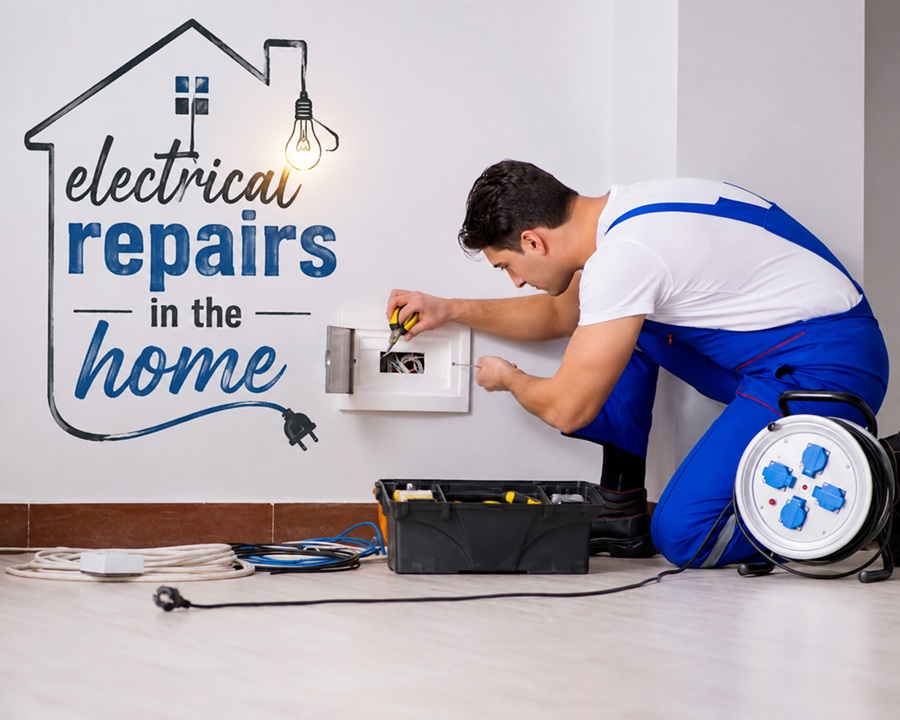
Electrical repairs in the home cover everything from minor issues like a dead outlet or a tripping breaker to serious problems with wiring and the electrical panel, and the most important thing to understand is that electrical work is genuinely dangerous, so anything beyond the simplest task should be handled by a licensed electrician. While a homeowner can safely do a few basic things like resetting a tripped breaker or replacing a light bulb, most electrical repairs carry a real risk of shock, fire, or code violations, and a licensed electrician has the training, tools, and knowledge to do them safely and correctly. When in doubt, always call a professional, because electricity does not forgive mistakes.
Electrical problems are common in homes, and because faulty electrical work is a leading cause of house fires, this is one area where safety must come first. This guide explains the common electrical issues homeowners encounter, the warning signs that need attention, which tasks are reasonable to handle yourself, and, most importantly, when to call a licensed electrician. The goal is to help you understand your home’s electrical repairs while keeping you and your home safe.
| Key principle | Electrical work is dangerous; prioritize safety |
| Best practice | Leave most repairs to a licensed electrician |
| Safe for homeowners | Resetting a breaker, changing a bulb |
| Main risks | Shock, fire, and code violations |
| Common issues | Dead outlets, tripping breakers, flickering lights |
| Warning signs | Burning smells, warm outlets, sparks |
| When unsure | Always call a professional |
| Why it matters | Faulty wiring is a leading cause of fires |
Why Electrical Safety Comes First
Before anything else, it is essential to respect how dangerous electricity is. Unlike many home repairs, electrical work carries the risk of serious electric shock, which can be fatal, as well as the risk of fire from faulty connections or overloaded circuits. Electrical faults are, in fact, a leading cause of house fires, which is why proper, code-compliant work matters so much.
This is the central message of this guide: electrical repairs are not the place to take chances or learn as you go. A licensed electrician has years of training, understands electrical code, and has the tools to work safely, which is why most electrical repairs should be left to them. Understanding your home’s electrical issues is valuable, but that understanding should usually lead to calling a professional rather than attempting risky work yourself.
Common Electrical Issues
Homes develop a range of electrical issues over time, and recognizing them helps you know what is happening and how urgently to act. Some are minor, while others signal a serious hazard.
| Issue | Possible Cause | What to Do |
| Tripping breaker | Overload or a fault | Reset once; if it recurs, call a pro |
| Dead outlet | Tripped GFCI, wiring fault | Check GFCI; otherwise call a pro |
| Flickering lights | Loose wiring or overload | Have an electrician inspect it |
| Warm or discolored outlet | Dangerous wiring fault | Stop use and call a pro promptly |
| Frequent bulb burnout | Wiring or fixture issue | Have it checked |
Warning Signs You Should Not Ignore
Certain electrical warning signs indicate a potentially serious hazard and warrant prompt attention from an electrician. Ignoring these can lead to fire or shock, so treat them seriously.
- A burning smell near outlets, switches, or the electrical panel
- Outlets or switch plates that are warm, discolored, or scorched
- Sparks, buzzing, or crackling sounds from outlets or switches
- Frequently tripping breakers or blown fuses
- Flickering or dimming lights throughout the home
- Mild shocks or tingling when touching appliances or switches
If you notice any of these, especially burning smells, warm outlets, or sparks, stop using the affected circuit and call a licensed electrician promptly, as these can precede a fire.
What Homeowners Can Safely Do
There are a few basic, low-risk electrical tasks that most homeowners can safely handle, provided they are comfortable and cautious. These do not involve working on the wiring itself. Resetting a tripped circuit breaker is a normal, safe action, though a breaker that keeps tripping signals a problem to investigate. Resetting a tripped GFCI outlet by pressing its reset button is fine. Replacing light bulbs, and using power strips and surge protectors correctly, are safe everyday tasks. Beyond these simple, no-wiring tasks, though, most electrical repairs are best left to a professional, and if you are ever unsure whether something is safe, treat that uncertainty as a signal to call an electrician.
Repairs That Need a Licensed Electrician
The majority of electrical repairs should be handled by a licensed electrician, because they involve working with wiring and carry real risks of shock, fire, and code violations. Do not attempt these yourself.
- Any work on the electrical panel, breakers, or main service
- Replacing or repairing outlets, switches, or fixtures if you are not trained and certain it is safe
- Any rewiring, new circuits, or changes to the home’s wiring
- Addressing the causes of tripping breakers, flickering, or warm outlets
- Anything involving aluminum wiring, outdated systems, or code compliance
- Any repair where you feel unsure, since uncertainty means it is a job for a pro
Why Hire a Professional
Hiring a licensed electrician for electrical repairs is about far more than convenience; it is about safety, quality, and compliance. A professional has the training to diagnose problems correctly, the skill to repair them safely, and the knowledge to ensure the work meets electrical code, which protects your home and family from fire and shock hazards. Their work is also typically inspected or guaranteed, giving you confidence it was done right. Attempting electrical work without proper knowledge risks injury, fire, failed inspections, and problems when selling your home. For the modest cost relative to the risk, a licensed electrician is almost always the right call for electrical repairs.
Preventing Electrical Problems
While you should leave repairs to professionals, you can take safe steps to prevent electrical problems and catch them early. Avoid overloading outlets and circuits by not daisy-chaining power strips or plugging too many high-draw devices into one circuit. Use the correct wattage bulbs in fixtures, and replace damaged cords rather than using them. Have your electrical system inspected by a licensed electrician periodically, especially in older homes, to catch hidden issues before they become hazards. Paying attention to the warning signs above and acting promptly also prevents small problems from becoming dangerous. These safe habits, combined with professional repairs, keep your home’s electrical system safe and reliable.
Frequently Asked Questions
Can I do electrical repairs myself?
Only the simplest, no-wiring tasks like resetting a breaker or GFCI and changing bulbs. Most electrical repairs carry real risks of shock and fire and should be done by a licensed electrician. When in doubt, always call a professional.
What electrical warning signs are serious?
Burning smells, warm or discolored outlets, sparks, buzzing, frequently tripping breakers, widespread flickering, and mild shocks are all serious. Stop using the affected circuit and call a licensed electrician promptly, since these can precede a fire.
Why do I need a licensed electrician?
A licensed electrician has the training, tools, and code knowledge to repair electrical problems safely and correctly, protecting your home from shock and fire hazards. Their work is typically compliant and guaranteed, which DIY attempts on wiring cannot ensure.
What should I do if my breaker keeps tripping?
You can safely reset a breaker once, but if it keeps tripping, that signals an underlying problem like an overload or fault. Rather than repeatedly resetting it, have a licensed electrician diagnose and fix the cause.
How can I prevent electrical problems at home?
Avoid overloading outlets and circuits, use correct-wattage bulbs, replace damaged cords, and have an electrician inspect your system periodically, especially in older homes. Acting promptly on warning signs also prevents small issues from becoming hazards.
Is it safe to replace an outlet myself?
Working on outlets means working on wiring, which carries shock and fire risks and code requirements. Unless you are properly trained and certain it is safe, outlet and switch replacement is best left to a licensed electrician.
Final Thoughts
Electrical repairs in the home are one area where safety must always come first, because electricity carries real risks of shock and fire and is a leading cause of house fires. While you can safely reset a breaker, reset a GFCI, or change a bulb, the vast majority of electrical repairs, anything involving wiring, panels, or the causes of warning signs, belong to a licensed electrician. Learn to recognize the warning signs, take safe preventive steps, and when anything feels uncertain or serious, call a professional. Respecting electricity and knowing when to hire a pro is the smartest, safest approach for any homeowner.