How Much Does Fencing Cost? A Breakdown by Material
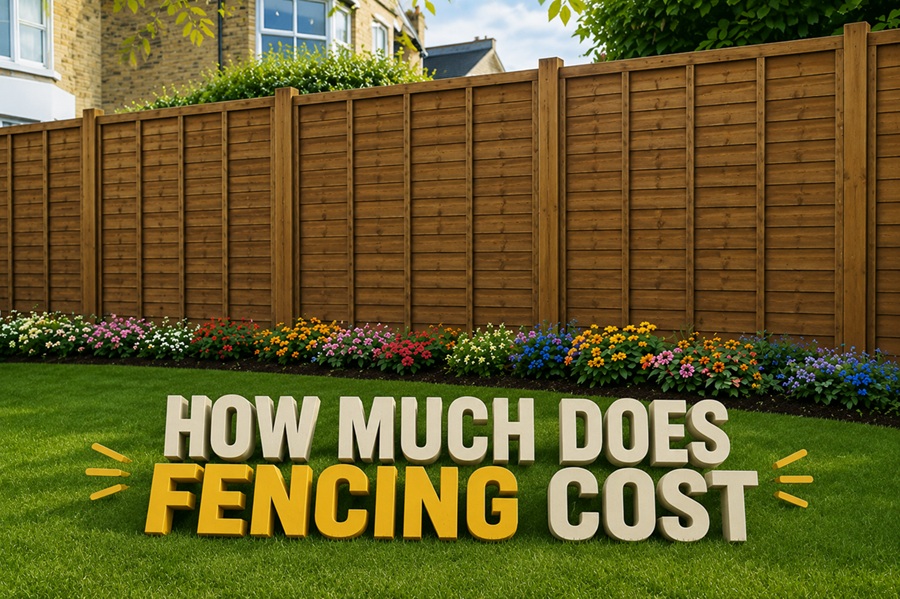
How much fencing costs depends most on the material you choose, the length and height of the fence, and whether you install it yourself or hire a professional, with costs usually calculated per linear foot. Chain link is generally the most affordable option, wood sits in the mid-range, and materials like vinyl, aluminum, and wrought iron cost more, while labor typically adds a significant share of the total. Because prices vary so much by material, region, and project, the best way to know your real cost is to measure your fence line and get quotes, but understanding the main drivers lets you budget with confidence.
A fence is a significant home investment that affects privacy, security, curb appeal, and property value, so knowing what influences the price helps you plan. Rather than a single number, fencing cost is a range shaped by several factors. This guide breaks down what drives the cost, compares materials from budget to premium, explains the role of labor and extras, and shares ways to save, so you can estimate your project realistically.
| Priced by | Linear foot, most commonly |
| Biggest factor | The fencing material |
| Most affordable | Chain link |
| Mid-range | Wood |
| Premium | Vinyl, aluminum, wrought iron |
| Also affects cost | Length, height, labor, terrain, gates |
| Labor | Often a large share of the total |
| Best estimate | Measure your fence line and get quotes |
What Drives the Cost of Fencing
Before looking at specific materials, it helps to understand the factors that shape any fence quote, because the same fence can cost very differently depending on these variables. The material is the single biggest driver, but several others matter too.
- Material: the biggest factor, from budget chain link to premium wrought iron
- Length: fencing is priced per linear foot, so more footage means more cost
- Height: taller fences use more material and cost more
- Labor: professional installation often adds a large share of the total
- Terrain: sloped, rocky, or hard-to-access ground raises labor costs
- Gates and features: gates, decorative elements, and hardware add cost
- Permits: some areas require permits, adding to the total
Cost by Material
Since material is the main driver, comparing the common options from most affordable to premium gives you the clearest picture. Each balances cost against durability, maintenance, and appearance differently.
| Material | Relative Cost | Notes |
| Chain link | Lowest | Durable, low cost, less privacy |
| Wood | Mid-range | Popular, classic, needs maintenance |
| Vinyl | Higher | Low-maintenance, long-lasting |
| Aluminum | Higher | Decorative, rust-resistant |
| Wrought iron | Highest | Elegant, strong, premium price |
| Composite | Higher | Durable, low-maintenance, wood-like |
The Budget Options
If keeping costs down is the priority, chain link is typically the most economical choice, offering durable, functional fencing at the lowest price, though it provides little privacy or decorative appeal. Wood is the classic mid-range option, popular for its natural look, versatility, and reasonable cost, and it can be a good value, though it requires ongoing maintenance like staining or sealing to last. For many homeowners wanting a balance of affordability and appearance, wood remains the go-to, while chain link suits purely functional needs like enclosing a yard or securing a boundary on a tight budget.
The Premium Options
At the higher end, materials like vinyl, aluminum, and wrought iron cost more upfront but offer advantages that can justify the price. Vinyl is prized for being low-maintenance and long-lasting, never needing painting and resisting rot, which can offset its higher cost over time. Aluminum provides a decorative, rust-resistant option that mimics the look of iron for less. Wrought iron is the premium choice, elegant and extremely strong, but the most expensive. Composite fencing, made to look like wood without the upkeep, also sits in the higher range. These options appeal to those prioritizing appearance, longevity, and low maintenance over the lowest upfront cost.
Labor and Installation
Beyond materials, labor is a major part of most fencing costs, often adding a substantial share to the total when you hire professionals. Installation cost depends on the material, the length and height of the fence, and the difficulty of the job. Sloped, rocky, or hard-to-reach terrain increases labor because it takes more time and effort to set posts and align the fence. Removing an old fence, if needed, adds cost too. Gates require extra materials and labor. All of this is why the installed price of a fence is considerably more than the materials alone, and why labor deserves attention when budgeting.
Ways to Save on Fencing
There are several ways to reduce your fencing cost without cutting corners on what matters. Being strategic about material, scope, and installation can meaningfully lower the total.
- Choose a more affordable material like chain link or wood where appearance is less critical
- Install it yourself if you have the skills, saving significant labor cost
- Keep the fence to the height and length you truly need
- Get multiple quotes from installers to compare prices
- Consider fencing only the areas that need it rather than the whole property
- Weigh long-term maintenance costs, since low-maintenance materials can save later
DIY vs Professional Installation
One of the biggest cost decisions is whether to install the fence yourself or hire a professional. DIY installation can save a substantial amount by eliminating labor costs, and for straightforward fences like chain link or basic wood on level ground, a capable homeowner can take it on. However, fencing is physical, precise work, setting posts straight and level, digging in tough ground, and aligning everything, and mistakes can be costly or leave a fence that leans or fails. For difficult terrain, premium materials, or large projects, professional installation is often worth the cost for a durable, properly built result. Weigh your skills, time, and the project’s complexity honestly.
Frequently Asked Questions
What is the cheapest type of fencing?
Chain link is generally the most affordable fencing, offering durable, functional enclosure at the lowest cost, though with little privacy. Wood is the next step up and remains a popular mid-range choice balancing cost and appearance.
How is fencing cost calculated?
Fencing is usually priced per linear foot, so the total depends on the length of your fence line, plus the height, material, labor, terrain, and extras like gates. Measuring your fence line is the first step to an accurate estimate.
Does labor add a lot to fence cost?
Yes, professional installation often adds a large share of the total. Labor depends on the material, length, height, and terrain, with sloped or rocky ground and gates raising the cost. This is why installed prices far exceed material costs alone.
Is it cheaper to install a fence yourself?
It can be, since DIY eliminates labor costs, and simple fences on level ground are doable for capable homeowners. But fencing is precise, physical work, and mistakes are costly, so difficult terrain, premium materials, or large projects often justify a professional.
Choosing the Right Fence for Your Needs
Cost is only part of the decision; the best fence is the one that fits your actual purpose, since a fence for privacy has very different requirements than one for containing a dog or simply marking a boundary. Matching the material and style to your goal ensures you do not overspend on features you do not need or underspend and end up dissatisfied.
If privacy is the priority, a solid wood, vinyl, or composite fence tall enough to block sightlines is worth the higher cost. For security, a sturdy fence that is hard to climb or breach matters most. For purely functional enclosure, like keeping pets in, affordable chain link may be perfectly adequate. And where curb appeal leads, decorative aluminum or wrought iron shines despite the premium price.
Also weigh long-term value, not just upfront cost. A cheaper material that needs frequent maintenance or replacement can cost more over time than a pricier, low-maintenance option. Thinking about your purpose, your climate, and how long you plan to stay helps you choose a fence that delivers the best value rather than simply the lowest sticker price.
- Privacy: solid wood, vinyl, or composite tall enough to block views
- Security: a sturdy fence that resists climbing or breaching
- Basic enclosure: affordable chain link often suffices
- Curb appeal: decorative aluminum or wrought iron
- Weigh long-term maintenance and lifespan, not just upfront cost
Final Thoughts
How much fencing costs comes down to your material, the length and height of the fence, and whether you hire out the labor, all priced largely per linear foot. Chain link is the budget choice, wood the popular mid-range, and vinyl, aluminum, and wrought iron the premium options that trade higher upfront cost for looks and low maintenance. Factor in labor, terrain, and gates, get multiple quotes, and weigh DIY against professional installation. Measure your fence line, match the material to your needs and budget, and you can plan your fencing project with realistic expectations.