
Barbed Wire Fencing: Uses, Types and Installation Basics
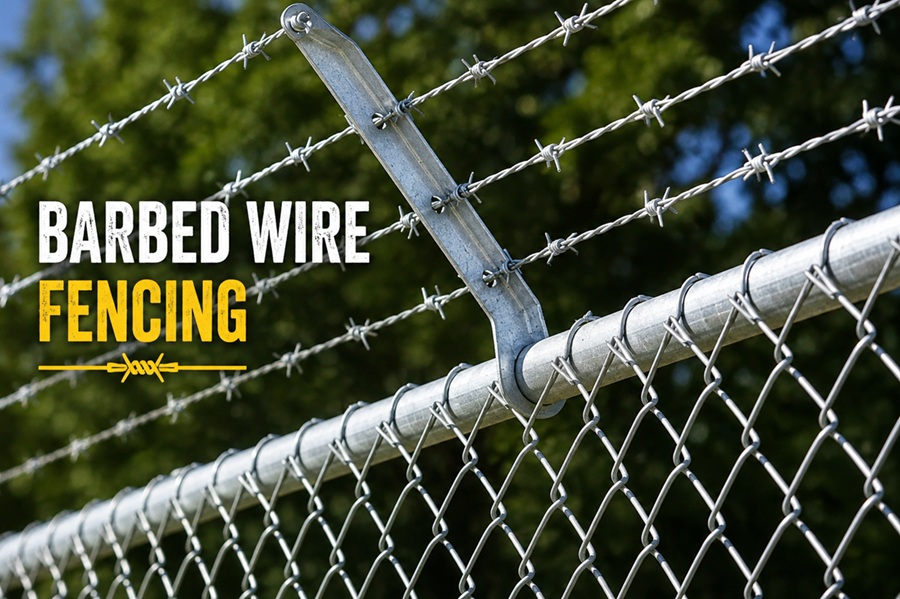
Barbed wire fencing is a fencing made from strands of wire fitted with sharp barbs at intervals, used mainly to contain livestock, mark boundaries, and deter intruders across farms, ranches, and rural properties. Its effectiveness comes from the barbs, which discourage animals and people from pushing through or climbing over, making it an economical, long-standing choice for enclosing large areas. While it is a practical and affordable fencing solution for agricultural and security uses, barbed wire also carries safety and legal considerations, since it can injure and is restricted or prohibited in many residential areas, so it is important to understand where and how it can be used.
Barbed wire has been a staple of rural fencing for well over a century because it is inexpensive, effective, and well suited to enclosing large tracts of land. This guide covers what barbed wire fencing is used for, the types and components, its pros and cons, the basics of how it is installed, and the safety and legal points every user should know before putting it up.
| What it is | Wire fencing with sharp barbs at intervals |
| Main uses | Livestock, boundaries, and security |
| Common on | Farms, ranches, and rural properties |
| How it works | Barbs deter animals and people from crossing |
| Key advantage | Affordable for enclosing large areas |
| Components | Posts, barbed wire strands, and stretchers |
| Safety | Can cause injury; handle with care |
| Legal note | Often restricted in residential areas |
What Barbed Wire Fencing Is Used For
Barbed wire earns its place primarily in agriculture and security, where its combination of low cost and effectiveness over large areas is hard to beat. The barbs make it a deterrent rather than just a physical barrier, which is central to how it works.
- Containing livestock like cattle, keeping animals within pastures
- Marking and securing property boundaries on rural land
- Deterring trespassers and intruders as a security measure
- Enclosing large agricultural areas economically
- Protecting crops or restricted areas from animals and people
Types of Barbed Wire
Barbed wire comes in variations suited to different needs, differing in construction, gauge, and barb spacing. Understanding the basics helps you choose the right wire for the job.
| Variation | Description | Consideration |
| Single strand | One barbed wire line | Used in multiple rows for a fence |
| Two-strand twisted | Two wires twisted together | Stronger and more common |
| Wire gauge | Thickness of the wire | Heavier gauge is stronger |
| Barb spacing | Distance between barbs | Closer barbs deter more |
The Components of a Fence
A barbed wire fence is a simple system of a few key parts working together. Posts, set firmly in the ground, provide the structure and support, with sturdier corner and end posts anchoring the fence and line posts spacing it along the run. The barbed wire strands themselves are stretched taut between the posts, usually in several parallel rows at increasing heights to form an effective barrier. The wire must be pulled tight, which is done with a stretching tool, and fastened to the posts. Getting the posts solid and the wire properly tensioned is what makes the fence strong and effective.
Pros and Cons
Like any fencing, barbed wire has clear advantages and real drawbacks. Weighing them helps you decide if it suits your situation.
- Pro: affordable, especially for enclosing large areas
- Pro: effective at containing livestock and deterring crossing
- Pro: long-established, durable, and relatively simple
- Con: the barbs can cause injury to animals and people
- Con: often restricted or prohibited in residential areas
- Con: not suited to privacy or decorative purposes
Installation Basics
Installing barbed wire fencing follows a logical sequence, though it is physical work that demands care because of the sharp barbs. The general process gives a sense of what is involved.
- Plan the fence line and mark post locations at even intervals.
- Set sturdy corner and end posts first, anchoring them firmly since they bear the tension.
- Set the line posts between them along the run.
- Attach and stretch the barbed wire strands taut using a wire stretcher, wearing heavy gloves and protective gear.
- Fasten the tensioned wire to each post, usually in several rows at increasing heights.
- Check the tension and security of the whole fence.
Safety and Handling
Barbed wire demands respect because the barbs can cause real injury during handling and installation. Always wear heavy-duty gloves, long sleeves, and eye protection when working with it, since the wire is under tension and can whip or spring back dangerously if it slips or breaks. Use proper tools for stretching and cutting, and work carefully, ideally with a helper for long runs. Once installed, keep the fence maintained, as loose or broken wire is both less effective and more hazardous. Treating barbed wire with appropriate caution throughout is essential to avoid painful injuries.
Legal and Neighborly Considerations
Before installing barbed wire, it is crucial to check local laws and regulations, because its use is often restricted. Many residential areas prohibit or heavily regulate barbed wire due to the injury risk, and there may be rules about height, placement, and where it can be used even in rural areas. Some jurisdictions require it to be set back from public spaces or paired with warning signs. Beyond the law, consider neighbors and public safety, since a fence that could injure passersby or their animals can create disputes or liability. Always confirm what is permitted in your area and use barbed wire responsibly and legally.
Frequently Asked Questions
What is barbed wire fencing used for?
It is used mainly to contain livestock, mark and secure property boundaries, and deter intruders, especially on farms, ranches, and rural land. Its barbs make it an effective, economical way to enclose large areas.
Is barbed wire fencing legal in residential areas?
Often it is restricted or prohibited in residential areas because of the injury risk, and rules vary widely by location. Always check your local laws and regulations before installing barbed wire, since height, placement, and use may all be regulated.
How many strands does a barbed wire fence need?
It depends on the purpose and the animals being contained, but barbed wire fences typically use several parallel strands at increasing heights to form an effective barrier. More strands and closer spacing create a stronger deterrent.
Is barbed wire fencing dangerous to install?
It can be, since the barbs cause injury and the tensioned wire can whip back if it slips. Always wear heavy gloves, long sleeves, and eye protection, use proper stretching tools, and work carefully, ideally with a helper, to install it safely.
How long does a barbed wire fence last?
With good materials and maintenance, a barbed wire fence can last for many years, often decades. Its lifespan depends on the wire gauge and quality, the posts, the climate, and regular upkeep like re-tensioning wire and replacing damaged posts.
Maintaining a Barbed Wire Fence
Like any fence, barbed wire needs occasional maintenance to stay effective and safe, since a neglected fence can sag, loosen, or break, letting livestock through and creating hazards. Regular checks keep it doing its job and prevent small problems from becoming big ones.
Walk the fence line periodically to look for loose or broken wire, leaning or rotting posts, and sagging strands. Re-tension any wire that has gone slack, since taut wire is both more effective and safer than loose wire that can whip or tangle. Repair or replace damaged posts promptly, as they bear the fence’s tension, and address any broken barbs or strands before animals discover the weak spot.
Weather, animals, and time all take a toll, so a fence in an exposed or heavily used area needs more frequent attention. Keeping vegetation from overgrowing the fence also helps you spot problems and keeps the line clear. A little routine upkeep extends the life of a barbed wire fence considerably and keeps it working safely for years.
- Walk the fence line regularly to spot problems
- Re-tension slack wire, since taut wire is safer and more effective
- Repair or replace leaning or rotting posts promptly
- Fix broken barbs or strands before animals find the gap
- Keep vegetation clear so you can inspect the line
Final Thoughts
Barbed wire fencing remains a practical, affordable choice for containing livestock, marking boundaries, and adding security across farms and rural properties, thanks to its barb-based deterrence and low cost over large areas. It is built from firmly set posts and taut barbed strands, and while installation is straightforward in principle, it demands care because the barbs can injure. Just as importantly, check your local laws, since barbed wire is frequently restricted in residential areas. Used in the right setting, installed safely, and kept within the rules, it is an effective, time-tested fencing solution.