
Window Frame Repair: How to Fix Rot, Cracks and Drafts
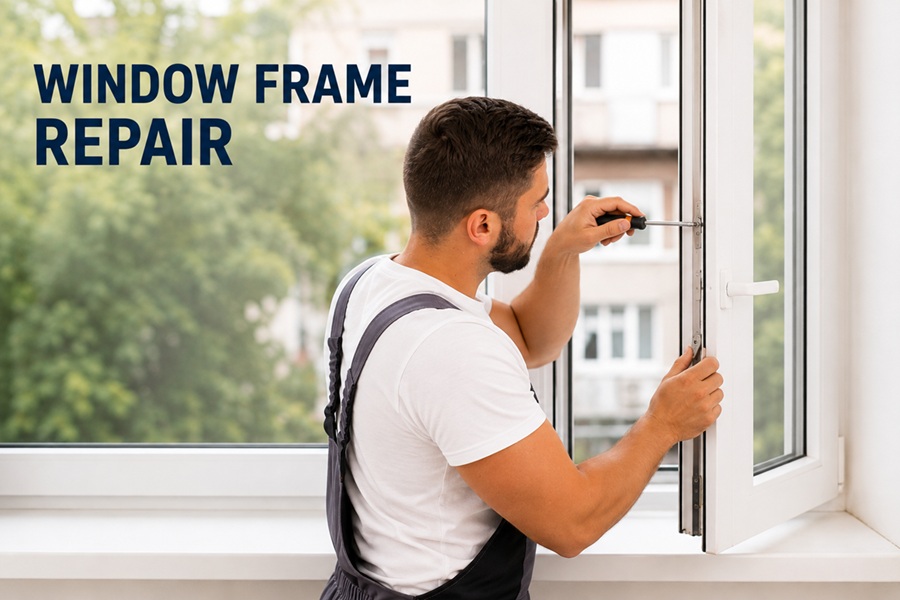
Window frame repair fixes the common damage that frames develop over time, including wood rot, cracks, gaps, and drafts, using methods like wood filler or epoxy for rotted wood, caulk to seal gaps, and fresh weatherstripping to stop drafts. For minor damage, many window frame repairs are straightforward do-it-yourself jobs: you cut out and fill small areas of rot with epoxy, reseal gaps with exterior caulk, and replace worn weatherstripping to restore a snug, energy-efficient window. More extensive rot or structural damage, however, may call for replacing part of the frame or the window itself, so knowing the extent of the damage guides the right approach.
A window frame does more than hold the glass; it seals your home against weather and drafts, so damage here wastes energy and can let water in. Wood frames are especially prone to rot and cracking, while all frames can develop gaps and drafts as they age. This guide covers the common problems, how to repair them step by step, the materials you need, and when repair gives way to replacement.
| What it fixes | Rot, cracks, gaps, and drafts in window frames |
| Rot repair | Wood filler or epoxy for damaged wood |
| Sealing gaps | Exterior-grade caulk |
| Stopping drafts | Fresh weatherstripping |
| Frame materials | Wood, vinyl, aluminum, fiberglass |
| Most rot-prone | Wood frames |
| DIY-friendly | Minor rot, caulking, weatherstripping |
| Replace when | Extensive rot or structural damage |
Common Window Frame Problems
Window frames develop a handful of recurring issues, and most trace back to age, moisture, and weather exposure. Identifying the problem is the first step to fixing it.
- Wood rot, where moisture has caused the wood to soften and decay
- Cracks and splits in the frame material from age and weather
- Gaps between the frame and the wall or sash, letting in air and water
- Drafts from worn or missing weatherstripping
- Peeling paint and water damage signaling moisture problems
- Sticking or misaligned sashes from a warped or damaged frame
Frame Materials Matter
The right repair depends partly on what the frame is made of, since materials behave differently. Knowing your frame type helps you choose the correct approach and materials.
| Material | Common Issues | Repair Notes |
| Wood | Rot, cracks, peeling paint | Epoxy or filler, then prime and paint |
| Vinyl | Cracks, gaps, warping | Seal small gaps; cracks may need replacing |
| Aluminum | Corrosion, gaps, dents | Seal gaps; corrosion is harder to fix |
| Fiberglass | Cracks, seal failure | Durable; seal or patch minor damage |
Repairing Wood Rot
Wood rot is the most common serious frame problem, and for small to moderate areas it is a very fixable DIY job using wood epoxy. The key is removing all the decayed wood and reinforcing and rebuilding the area so it is solid again. Caught early, rot can be repaired without replacing the whole frame.
- Remove all the soft, rotted wood until you reach sound, solid wood.
- Let the area dry out completely, since moisture caused the problem.
- Apply a wood hardener to reinforce the surrounding wood if needed.
- Fill the cavity with a two-part wood epoxy or filler, building it up to shape.
- Once cured, sand the repair smooth and flush with the frame.
- Prime and paint to match and to seal the repair against future moisture.
Sealing Gaps and Cracks
Gaps and cracks around a window frame let in air, water, and pests, and sealing them is one of the simplest, most rewarding repairs. Use a quality exterior-grade caulk to fill gaps between the frame and the surrounding wall, and to seal small cracks in the frame itself. Remove any old, failing caulk first, clean the surface, and apply a smooth, continuous bead. This not only stops drafts and water intrusion but also improves energy efficiency. Proper caulking is inexpensive, beginner-friendly, and makes a noticeable difference to comfort and heating and cooling costs.
Stopping Drafts With Weatherstripping
If you feel air coming through around a closed window, the weatherstripping, the material that seals the moving sash against the frame, has likely worn out. Replacing it is an easy, cheap fix that restores a tight seal. Remove the old, compressed, or damaged weatherstripping and apply fresh stripping suited to your window, ensuring the sash closes snugly against it. Along with caulking, fresh weatherstripping is one of the most cost-effective ways to cut drafts and improve efficiency, and it is well within the reach of a DIY homeowner.
What You Will Need
Most window frame repairs call for a modest, affordable set of materials and tools. Having them on hand makes the job go smoothly.
- Two-part wood epoxy or wood filler for rot and cracks
- Wood hardener for reinforcing softened wood
- A putty knife or scraper and a chisel for removing rot
- Exterior-grade caulk and a caulk gun for sealing gaps
- Weatherstripping suited to your window
- Sandpaper, primer, and exterior paint to finish
When to Repair vs Replace
Not every damaged frame can or should be repaired. Minor to moderate rot, cracks, gaps, and drafts are all good candidates for repair, and fixing them promptly prevents worse damage. But when rot is extensive, the frame is structurally compromised, or damage keeps recurring despite repairs, replacing the affected frame or the whole window becomes the smarter choice. Widespread water damage, a frame that no longer holds the window square, or very old windows that are failing in multiple ways all point toward replacement. Assess how deep and widespread the damage is before deciding.
When to Call a Professional
Many window frame repairs are satisfying DIY projects, but some situations call for a professional. Extensive rot, structural damage, or repairs on hard-to-reach or upper-floor windows are safer and better handled by a pro. A professional can also assess whether the underlying cause, often a moisture or water intrusion problem, needs addressing so the damage does not simply return. If you are unsure how deep the damage goes or whether the frame is still sound, an expert evaluation is worthwhile before you invest time in a repair that may not hold.
Frequently Asked Questions
Can you repair a rotted window frame?
Yes, small to moderate rot is very repairable. Remove all the decayed wood, let it dry, reinforce with wood hardener if needed, fill with two-part epoxy, then sand, prime, and paint. Extensive rot may instead require replacing the frame or window.
How do I stop drafts around my windows?
Seal gaps between the frame and wall with exterior caulk, and replace worn weatherstripping so the sash closes snugly. These simple, inexpensive fixes stop most drafts and noticeably improve energy efficiency and comfort.
What is the best filler for a window frame?
A two-part wood epoxy is excellent for repairing rot and larger damage in wood frames because it is strong, durable, and can be shaped and sanded. Wood filler works for smaller cosmetic repairs. Pair either with a wood hardener for softened wood.
Should I repair or replace my window frame?
Repair minor to moderate rot, cracks, gaps, and drafts, which is cost-effective and prevents worse damage. Replace when rot is extensive, the frame is structurally compromised, or damage keeps recurring, as replacement is then the better long-term value.
Preventing Future Frame Damage
Since most window frame damage comes down to moisture, preventing it is largely about keeping water out and catching problems early. A well-maintained frame can last for decades, so a little upkeep saves you from bigger repairs down the road. The habits that protect frames are simple and inexpensive.
Keep the paint or protective finish on wood frames intact, since it is the frame’s first defense against moisture, and touch up any peeling or bare spots promptly. Maintain the caulk and weatherstripping so water and drafts cannot get in, reapplying as they age. Make sure water drains away from windows rather than pooling, and address any leaks or condensation quickly before they soak into the wood.
- Keep paint and finishes intact on wood frames
- Reapply caulk and weatherstripping as they age
- Ensure water drains away from windows
- Fix leaks and condensation promptly
- Inspect frames periodically for early signs of rot
Final Thoughts
Window frame repair is often a very manageable job that protects your home’s comfort, efficiency, and value. For minor damage, you can fill rot with epoxy, seal gaps with caulk, and stop drafts with fresh weatherstripping, all affordable, beginner-friendly fixes. Match your approach to the frame material, address the moisture behind the damage, and know when extensive rot or structural problems call for replacing the frame or window instead. Tackle frame damage early, and you keep your windows sound, sealed, and energy-efficient for years to come.